How to Use This Calendar
California offshore fishing changes dramatically month to month. Water temperature, bait migrations, and seasonal species movements create distinct windows where certain fish are available — and others aren't. This calendar covers the Southern California bite (San Diego, Long Beach, Dana Point, Ventura) with notes on Central and Northern California where relevant.
The month-by-month patterns below come from three seasons (2023–2025) of real California charter landings, cross-checked against current CDFW regulations — not forum consensus or folklore. The dates are still averages: warm-water years push everything earlier and extend seasons later, cold-water years compress the window. Always check current fish counts and conditions before booking a trip — what's biting this week matters more than what historically bites this month.
For the same three seasons of landings broken out species by species — peak month, core range, and sample size for every fish we have enough data on — see our California fishing seasonality page.
Peak Season by Species
Find your fish, then read the shape: the rise, the peak, the drop. Each chart is fish landed per month by California charter boats — last season in full as the shaded line, this year to date as the bold line. When the peak lands in the same month two years running, that's the month to book.
- 2025 full season
- 2026 through Sep (totals counted through Oct 17)
- Hover or tap a month for the numbers.
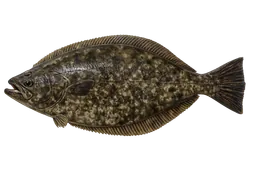
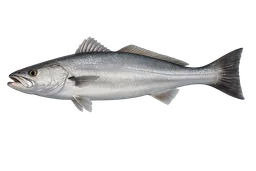
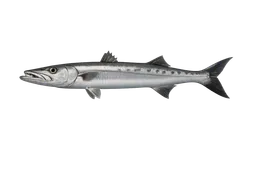
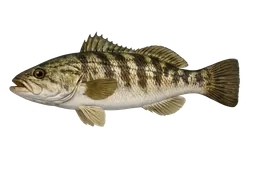
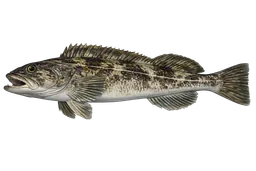
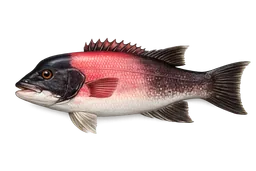
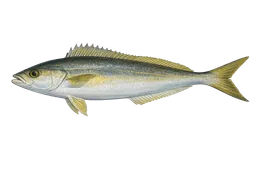
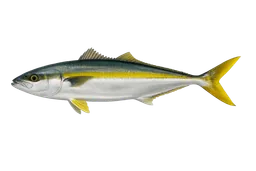
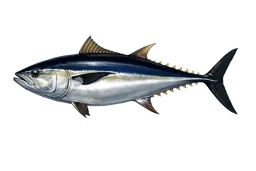
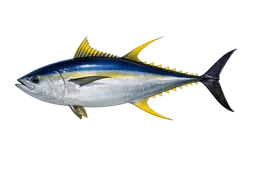
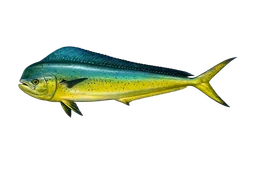
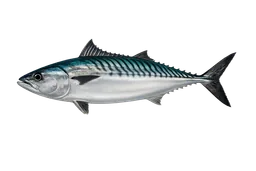
Fish landed by California charter boats, statewide, from dock reports. Ordered by 2025 peak month. Every species, by catch share.
January
Water temp: 56–60°F
What's biting: Whitefish, sheephead (slow), calico bass (slow), yellowtail (rare)
Trip type: Half-day to full-day
Rockfish and lingcod are off the table this month. Southern California's boat-based groundfish season is fully closed January 1 through March 31 — it's unlawful to possess rockfish, lingcod, cabezon, or greenling taken from a boat in that window, at any depth. (Shore anglers and divers aren't subject to this closure, but that's a different kind of trip.)
What's left is the light-tackle stuff: whitefish over structure, with sheephead and calico bass both slow-but-real options this time of year. Yellowtail show up occasionally at the Coronado Islands, but three seasons of landings data put January yellowtail catches at essentially zero statewide — treat a January yellowtail as a bonus fish, not something to plan a trip around.
Gear pick: A 20–30 lb setup with a Shimano Talica 16 and 30 lb braid covers whitefish, sheephead, and calico bass without overkill.
February
Water temp: 56–59°F
What's biting: Whitefish, sheephead (slow), calico bass (slow), white seabass (rare, early)
Trip type: Half-day to full-day
Rockfish and lingcod stay closed through the end of March, so February looks a lot like January on the boat-based side — whitefish over structure, sheephead and calico bass still slow. A few early white seabass turn up in warmer years, but the fish that draw the biggest crowds later in spring haven't arrived yet.
On the BDOutdoors forums, February is when anglers start talking pre-season tackle upgrades and comparing notes on what's showing on the sonar — the offshore fishing itself is still a month or two out.
March
Water temp: 57–61°F
What's biting: Bluefin tuna (first reports), whitefish, sheephead, halibut (building)
Trip type: Half-day to full-day; long-range boats start scheduling spring trips
March is still closed water for rockfish and lingcod — the boat-based season doesn't reopen until April 1. White seabass, yellowtail, and calico bass are legal to target, but three seasons of landings data show all three barely registering in March; the real run for each is still weeks away.
The one genuine story this month is the first bluefin tuna reports trickling in from the outer banks. It's early and inconsistent — March bluefin numbers are a rounding error next to summer — but long-range boats out of San Diego start scheduling spring trips in anticipation.
April
Water temp: 59–63°F
What's biting: Rockfish (season opens, peak month), white seabass (building), yellowtail (starting), bluefin tuna (early)
Trip type: Half-day to 1.5-day
April 1 is the reset for Southern California groundfish. Rockfish and lingcod reopen at all depths, and in our landings data April is the single best rockfish month of the entire year — ahead of every month from May through December.
White seabass start building real numbers as they move onto the squid grounds. Yellowtail are present but still ramping up — the true yellowtail run doesn't peak until August, so an April fish is an early taste, not the headline. Bluefin tuna start appearing on the outer banks in warm-water years, though the bite stays unpredictable this early.
Gear pick: A versatile 30–80 lb setup covers rockfish, an early yellowtail, or a surprise tuna. Bring a flat fall jig (Shimano Butterfly 130g) in case you find fish suspended on the sonar.
May
Water temp: 61–65°F
What's biting: White seabass, halibut (peak), yellowtail (building), bluefin tuna, calico bass, barracuda, bonito
Trip type: Full-day to multi-day
May is when the season really opens up. Halibut hit their single best month of the year on the flats, and white seabass fishing is strong and getting stronger heading into a June peak. Yellowtail numbers are climbing at the Coronado Islands, but the run that produces the biggest counts of the year doesn't arrive until August. Calico bass season starts in earnest this month.
Bluefin tuna become a realistic target on overnight and 1.5-day trips as water temperatures climb through the low 60s. Barracuda and bonito start showing in the kelp beds, building toward their own summer peaks. Dorado aren't a May fish — three seasons of data show effectively zero dorado landed statewide in May — save that target for August and September.
June
Water temp: 64–68°F
What's biting: White seabass (peak), bluefin tuna, yellowtail, halibut, calico bass, barracuda
Trip type: Half-day to multi-day — the full menu is open
June is white seabass's best month of the year, full stop — if squid is on the flats, this is when to chase them. Bluefin tuna become a primary target on overnight and multi-day trips; June is the first month bluefin show up in meaningful numbers in our landings data. Yellowfin tuna turn up occasionally in warm-water years, though they're still a long shot this early.
The kelp bed bite is strong and still building — calico bass and barracuda both post bigger numbers in July than they do in June. Halibut remain a solid target, just past their May peak.
Gear pick: This is when you need multiple setups. A light 20–30 lb rig for the kelp and a heavier 65 lb braid setup with a Shimano Trinidad 30 for tuna if the boat runs offshore.
July
Water temp: 66–72°F
What's biting: Bluefin tuna, yellowfin tuna, yellowtail, calico bass (peak), barracuda (peak), white seabass
Trip type: All trip types producing well
July is the peak of the SoCal offshore season by total volume — across our 2023–2025 landings data, July is the single busiest month of the year statewide. Bluefin and yellowfin tuna are both running strong on overnight and multi-day trips, with multi-day boats working the outer banks.
Yellowtail remain strong at the islands — July is their second-best month of the year, behind only August. Calico bass and barracuda both hit their yearly peaks this month. Dorado are just starting to show up on the offshore kelp paddies in small numbers; the real dorado bite is still a month away.
August
Water temp: 68–74°F
What's biting: Yellowtail (peak), bluefin tuna, dorado, yellowfin tuna (occasional)
Trip type: All trip types — peak season continues
August is the warmest water month of the year, and it's yellowtail's single best month too — our landings data puts more yellowtail in the boat in August than in any other month, ahead of even July. Bluefin tuna stay strong, closing in on their own September peak. Dorado are now running hard on the paddies.
Yellowfin tuna stay an occasional catch this month — their real numbers arrive in September and October, when yellowfin landings run roughly ten times higher than what August produces. In our own landings data across the last three seasons, July edges out August as the single busiest month statewide by total volume (13.3% vs. 12.9%) — close, but August isn't quite the top month.
September
Water temp: 67–72°F
What's biting: Yellowfin tuna (peak), dorado (peak), bluefin tuna (peak), yellowtail
Trip type: Overnight to multi-day for tuna, full-day for everything else
September is the best offshore month on the calendar. In three seasons of landings data, September is the single peak month for bluefin tuna, yellowfin tuna, and dorado at the same time — the only month all three offshore headliners peak together. If you're booking one offshore trip all year, this is the month.
A quick honest note on albacore: the "albacore arrive in September" story used to be true for San Diego boats, but it hasn't held up for well over a decade. Albacore have shifted north with a persistent warm-water pattern, and 2024 was the worst West Coast albacore season in three decades — the state requested a federal fishery disaster over it. Albacore essentially don't appear in recent Southern California landings data anymore. If albacore is the goal, look at trips running out of Northern California ports like Eureka, Fort Bragg, and Bodega Bay — the fishery now lives from there up through Oregon and Washington, not off San Diego.
Gear pick: September's tuna are the real target. A 65 lb braid setup with a Shimano Trinidad 30 and a 50–60 lb Seaguar Blue Label fluorocarbon leader covers both bluefin and yellowfin at their peak.
October
Water temp: 64–69°F
What's biting: Bluefin tuna (late season), yellowfin tuna, dorado (winding down), rockfish
Trip type: Full-day to multi-day
October is the fade from September's peak, not a new rally. Bluefin tuna linger on the banks — still a real target, just down from the September high — and yellowfin tuna are still around in strong numbers, right behind September for their best month of the year. Dorado are winding down from their September peak but still catchable on multi-day trips.
Yellowtail keep cooling off through October rather than rebounding — the old "picks back up in fall" idea doesn't show up anywhere in three years of landings data, so don't expect an island resurgence. Rockfish, on the other hand, get a modest real bump heading into fall. White seabass are mostly done for the year by October.
November
Water temp: 60–65°F
What's biting: Rockfish, sheephead, bluefin tuna (bonus), yellowtail (light), lingcod (fading)
Trip type: Half-day to full-day, occasional overnight
November is the cool-water transition. Rockfish stay a solid, dependable target — close to its spring numbers — and sheephead fishing is strong. Lingcod are still around but well off their August peak; expect steady action, not the best fishing of the year. Yellowtail are present at the Coronado Islands but light compared to summer.
The wild card is late-season bluefin. In our landings data, November bluefin show up as a real, if modest, bonus catch — nowhere near summer numbers, but a genuine possibility. By December that bonus bite has essentially disappeared; don't plan a trip around it.
December
Water temp: 57–61°F
What's biting: Sheephead, rockfish, whitefish, yellowtail (fading), lingcod (tapering)
Trip type: Half-day to full-day
December's quiet standout is sheephead — in our landings data, December is their best month outside the June-through-September stretch. Rockfish and whitefish both stay solid heading into the new year. Lingcod, on the other hand, taper off this month instead of picking up — December is actually lingcod's weakest month of its whole active season, well off its August peak, even though the season stays legally open through year-end.
Yellowtail are fading out at this point, an occasional catch rather than a target. Calico bass are largely out of season by December — that fishery runs May through September — so save the light-tackle kelp trip for summer.
This is also a great month for gift certificates — a fishing trip makes a better gift than another sweater.
California Fishing Season Questions, Answered
When Is Tuna Season in California?
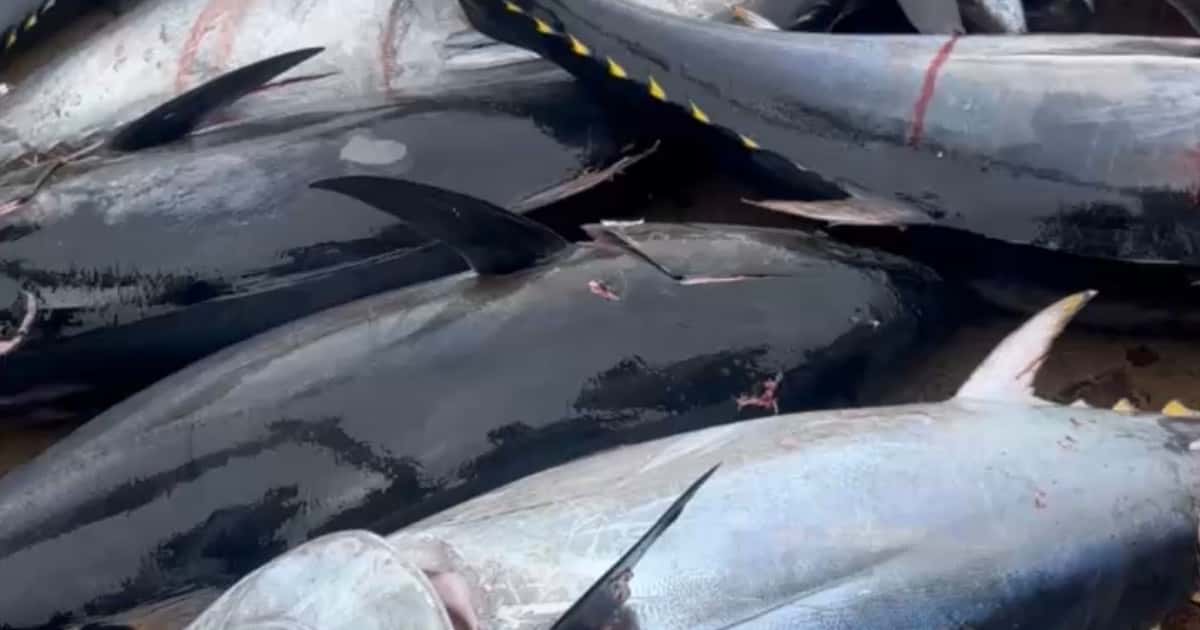
There's no closed season for bluefin tuna in California — you can legally target them year-round, with a special 2-fish bag limit on top of the general 20-fish daily bag. In practice, bluefin barely register in Southern California landings before June. The real season runs June through October, with September the single best month, followed by August and July, and the bite dropping off fast after October.
Yellowfin tuna follow a tighter, later window. July is a starting point, but September and October are when yellowfin numbers actually peak — each roughly ten times higher than August. If you're planning a tuna trip around one calendar month, September is the one to book.
For species-level detail, see our bluefin tuna page and our bluefin tuna fishing guide.
When Is Bass Season in California?
Saltwater bass — calico bass, barred sand bass, and spotted sand bass — have no closed season in California; they're legal to target year-round, with a 14-inch minimum size across all three. Calico bass activity in our landings data runs May through September, peaking in July. The one regulation to know for 2026: the combined daily bag limit is still 5 bass total, but no more than 4 of those 5 can be barred sand bass — a rule that took effect June 1, 2025 and stays in place until June 1, 2028. Kelp bass and spotted sand bass don't carry an individual sub-limit.
If you're asking about freshwater bass (largemouth, smallmouth, spotted bass in California lakes and reservoirs), that's a different fishery with its own rules — this guide covers saltwater/offshore fishing only.
See our calico bass page and sand bass page for more.
What Fish Are in Season Right Now in California?
That depends entirely on the month — scroll up to the section for the current month above for what's realistically biting. Because seasons shift year to year with water temperature, the most reliable answer to "what's biting right now" isn't a static guide at all — it's our daily fish counts page, which updates every day with what every major landing's boats are actually catching.
When Is Rockfish Season in California?
For 2026, Southern California's boat-based season is fully closed January 1 through March 31 and reopens April 1 at all depths. From July 1 a 50-fathom depth restriction kicks in, and from October 1 through December 31 the nearshore rockfish group closes again while shelf and slope rockfish and lingcod stay open in deeper water. Rules vary by species group and management district and change year to year, so always check current CDFW regulations before you fish. More detail on the species itself is on our rockfish page.
Seasonal Gear Checklist
Here's what to have in your bag year-round for SoCal offshore fishing:
Essentials (Every Trip)
- Polarized sunglasses — not optional, you need to see bait and structure in the water
- Sunscreen (SPF 50+, reef-safe)
- Layers — mornings are cold on the water even in summer
- Pliers/line cutter
- Fluorocarbon leader material (Seaguar Blue Label) — 25 lb and 40 lb spools cover most situations
- Circle hooks (Owner Mutu) — 1/0 through 5/0
Warm Season Add-Ons (May–October)
- Flat fall jigs, 100–200g
- Surface iron (Tady 45 or Salas 7X)
- Heavy fluoro leader (60–80 lb) for tuna
- Second rod/reel setup for tuna if you're fishing a multi-species trip
Cool Season Add-Ons (November–April)
- Heavier sinkers (6–16 oz) for deep-reef fishing
- Shrimp flies and gangion rigs for rockfish
- Squid jigs if targeting squid for white seabass bait
Disclosure: Product links use our Amazon Associates affiliate tag. Fish City may earn a small commission on purchases — at no extra cost to you.
Plan Your Year with Fish City
Fish City tracks real-time fish counts, conditions, and trip reports from 35 California landings. Use the app to see what's biting right now, compare boats, and spot seasonal trends before they hit the general public.