Why San Diego Is the Sportfishing Capital of the West Coast
San Diego has more sportfishing boats, more landings, and more trip options than any other port on the Pacific coast. Five major landings harbor over 70 boats between them, running everything from half-day kelp bed trips to 21-day long-range expeditions into Mexican waters. Whether you've never held a rod or you're chasing 200-pound bluefin, there's a boat leaving San Diego that fits.
The geography helps too. San Diego sits at the convergence of cold northern currents and warm southern water, putting an absurd variety of species within reach: bluefin tuna, yellowtail, dorado, white seabass, calico bass, rockfish, lingcod, halibut, and more — all within a day's run of the harbor. The Coronado Islands, just across the Mexican border, are only 18 miles from Point Loma and hold fish year-round.
The Major Landings
Seaforth Sportfishing
Location: Mission Bay, minutes from SeaWorld
Fleet: 17 boats, 38–85 feet
Trip types: Half-day, 3/4-day, Coronado Islands, offshore, multi-day
Website: seaforthlanding.com
Seaforth runs one of the most diverse fleets in San Diego. Their half-day boats are popular with families and tourists, while boats like the New Seaforth and the San Diego run serious offshore trips during tuna season. The Mission Bay location offers easy parking and a more relaxed atmosphere than the Point Loma landings.
Best for: First-timers who want a well-run experience, families, and anglers who want the full range of trip options from one landing.
H&M Landing
Location: Point Loma, minutes from the airport and downtown
Fleet: 28 boats, 45–105 feet — the largest fleet in San Diego
Trip types: Half-day, full-day, overnight, 1.5-day, multi-day, long-range
Website: hmlanding.com
H&M is the oldest sportfishing company on the West Coast, and they run more boats than anyone. Their long-range fleet — boats like the Red Rooster III and the Spirit of Adventure — are legendary in the multi-day offshore world. For the everyday angler, H&M also runs a full schedule of local half-day and full-day trips.
Best for: Serious offshore anglers, long-range trip seekers, and anyone who wants the widest possible selection of boats and trip types.
Point Loma Sportfishing
Location: Point Loma, adjacent to H&M Landing
Fleet: 16 boats, 44–116 feet
Trip types: Half-day kelp beds, Coronado Islands, offshore, long-range
Website: pointlomasportfishing.com
Point Loma Sportfishing specializes in both ends of the spectrum — affordable half-day trips to the local kelp beds and premium long-range expeditions. Their fleet includes some of the best long-range boats on the coast, capable of multi-week trips deep into Baja.
Best for: Kelp bed enthusiasts, private charter groups, and long-range veterans.
Fisherman's Landing
Location: Point Loma
Fleet: Multiple boats offering the full range of trip types
Trip types: Half-day, full-day, overnight, multi-day, long-range
Website: fishermanslanding.com
Fisherman's Landing has been running deep-sea charter fishing trips out of San Diego for over 50 years. They publish detailed daily fish counts and maintain an active trip calendar. Their fleet covers everything from quick morning trips to extended offshore runs.
Best for: Anglers who do their homework — Fisherman's Landing's fish counts are some of the most detailed in San Diego.
Trip Types Explained
Choosing the right trip type is the most important decision you'll make.
Half-Day (4–6 hours)
Cost: ~$50–80 per person
Departure: Typically 6:00 AM (morning) or 12:30 PM (afternoon)
Distance: Local kelp beds, 2–10 miles from harbor
Target species: Calico bass, sand bass, sculpin, bonito, barracuda, mackerel
Half-day trips are the entry point. You'll fish the kelp beds and rocky structure close to shore. The morning trip usually outfishes the afternoon. These trips are excellent for beginners, kids, and anyone who just wants a few hours on the water without a major time commitment.
Pro tip: The AM trips run during the best bite window (dawn). If you can only do one, do the morning.
3/4-Day (8–10 hours)
Cost: ~$100–150 per person
Departure: Typically 6:00 AM, return mid-afternoon
Distance: Coronado Islands, outer kelp beds, nearshore structure
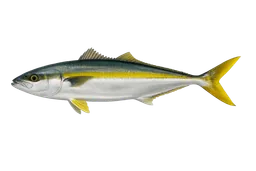
Target species: Yellowtail, calico bass, bonito, barracuda, sheephead, whitefish
The 3/4-day trip is the sweet spot for many anglers. You get enough time to reach the Coronado Islands (Mexican waters — a passport or Mexican fishing license is required) where the fish quality and quantity jump significantly. Yellowtail is the star of these trips from spring through fall.
Pro tip: Coronado Islands trips require a Mexican fishing license. Most landings sell them on-site — arrive 30 minutes early to handle paperwork.
Full-Day (10–12 hours)
Cost: ~$150–250 per person
Departure: 5:30 AM, return 6–7 PM
Distance: Coronado Islands, offshore banks, kelp paddies
Target species: Yellowtail, bluefin tuna, dorado, yellowfin tuna (seasonal), calico bass, rockfish
Full-day boats can reach productive offshore grounds that shorter trips can't. During tuna season (June–November), these are the trips that start connecting on bluefin. The Coronado Islands trips at full-day length give you time to really work the islands properly rather than rushing.
Overnight (18–24 hours)
Cost: ~$250–400 per person
Departure: Late afternoon/evening, return next morning or midday
Distance: Outer banks — 60-Mile Bank, 43 Fathom, offshore kelp paddies
Target species: Bluefin tuna, yellowfin tuna, yellowtail, dorado
Overnight trips are where the fishing gets serious. You'll run offshore in the evening, fish the dawn bite on the outer banks, and return by midday the next day. This is the most popular format for targeting bluefin and yellowfin tuna during summer and fall. You'll sleep on the boat between bites — bunks are basic but functional.
Pro tip: The best overnight trips line up with the new moon or quarter moon phases. Squid and bait concentrate under less moonlight, and the fish feed more aggressively.
1.5-Day to 3-Day
Cost: ~$400–900+ per person
Departure: Varies — check the landing's trip calendar
Distance: Tanner Bank, Cortez Bank, San Clemente Island, deeper Mexican waters
Target species: Trophy bluefin tuna, yellowtail, yellowfin tuna, wahoo, dorado
Multi-day trips are for dedicated anglers chasing bigger fish at greater distances. Tanner Bank and Cortez Bank are 100+ miles offshore and hold the biggest bluefin in SoCal waters. These trips give you multiple dawn and dusk bites — the two most productive feeding windows — and enough time to wait out slow periods.
Long-Range (5–21 days)
Cost: $2,000–$6,000+ per person
Distance: Deep into Mexican waters — Baja, Guadalupe Island, Hurricane Bank, Alijos Rocks
Target species: Giant bluefin, yellowfin tuna, wahoo, dorado, grouper, pargo
Long-range trips are bucket-list fishing. Boats like the Red Rooster III, Excel, and Royal Polaris run multi-week expeditions to some of the richest fishing grounds in the Pacific. These trips fill up months in advance and require significant tackle investment. If you've never done one, talk to anglers who have — the BDOutdoors/Bloodydecks forums are full of trip reports and gear advice.
Essential Gear for Charter Fishing
Most open-party boats offer rod rentals, but bringing your own tackle gives you a significant advantage.
Half-Day / 3/4-Day Kelp Bed Setup
- Rod: 7-foot, rated 15–30 lb — Shimano Teramar SE Casting
- Reel: Conventional, 20-size — Penn Squall II 15
- Line: 20–30 lb braided
- Leader: 15–20 lb fluorocarbon
- Hooks: Owner Mosquito hooks, size 1–2
Full-Day / Overnight Tuna Setup
- Rod: 7-foot, rated 30–80 lb
- Reel: 30-size two-speed lever drag — Shimano Trinidad 30
- Line: 65 lb braided (PowerPro Super Slick V2)
- Leader: 30–40 lb Seaguar fluorocarbon
- Hooks: Owner Ringed Mutu Circle, 2/0–4/0
- Jigs: Shimano Butterfly Flat Fall 130g
Disclosure: Product links use our Amazon Associates affiliate tag. Fish City may earn a small commission on purchases — at no extra cost to you.
How to Choose the Right Trip
If you're a complete beginner: Start with a half-day morning trip from Seaforth or H&M. You'll catch fish, learn the basics, and figure out if you want to invest more time and money.
If you have some experience and want more fish: Book a 3/4-day Coronado Islands trip. The species variety and fish quality at the islands is a major step up from kelp bed fishing.
If you want tuna: Overnight trips during June–November are the move. Check the daily fish counts on Fish City to see which boats are connecting and from which landings.
If you want a bucket-list experience: Book a long-range trip 6–12 months in advance. Read trip reports on BDOutdoors to pick the right boat and time of year.
What to Know Before You Go
Licenses: A valid California sport fishing license is required for anyone 16 and older. Buy one online at the CDFW website. If your trip goes to the Coronado Islands (Mexican waters), you'll also need a Mexican fishing license — most landings sell them on-site.
Tipping: Deckhands work hard and rely on tips. The standard is 15–20% of your trip fare. Tip in cash at the end of the trip.
Seasickness: This is the number-one thing that ruins fishing trips. Take Dramamine or Bonine the night before and again the morning of. Patches (scopolamine) work well for longer trips — get a prescription from your doctor. Ginger candies and staying on deck in fresh air also help.
Fish cleaning: Most landings offer fish cleaning for a small fee ($1–2 per fish). Take advantage of it — your fish will be filleted and bagged when you walk off the boat.
Parking: All four San Diego landings have on-site parking. Arrive 30–45 minutes before departure to park, buy licenses, grab bait, and get settled on the boat.
Check Fish Counts Before You Book
Fish City aggregates fish counts from every major SoCal landing into one dashboard — updated daily. Compare boats, track trends over time, and find trips that match what you're after.