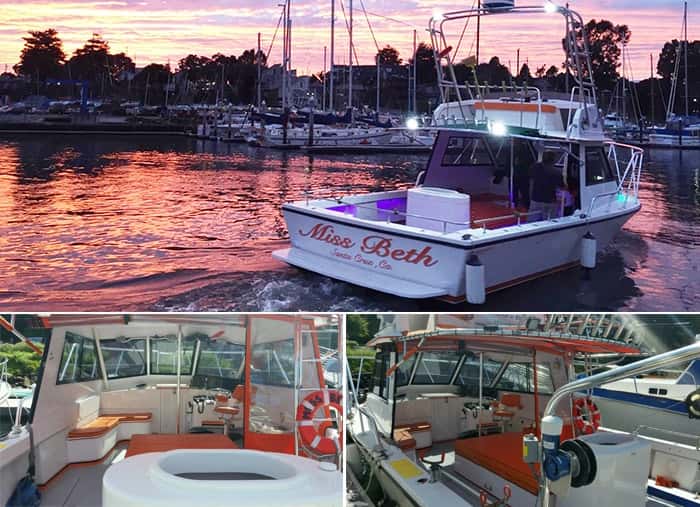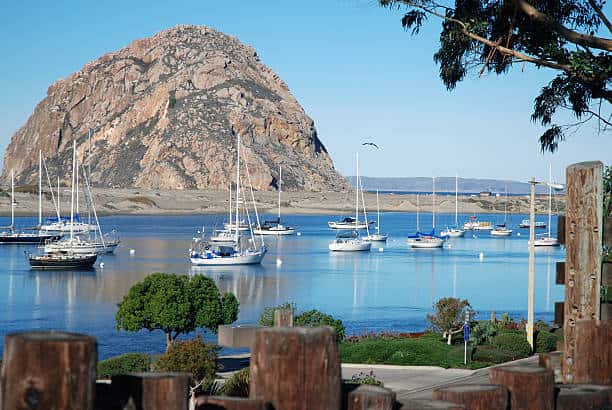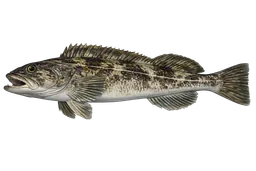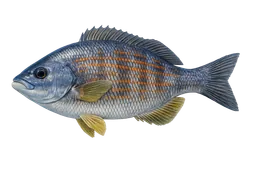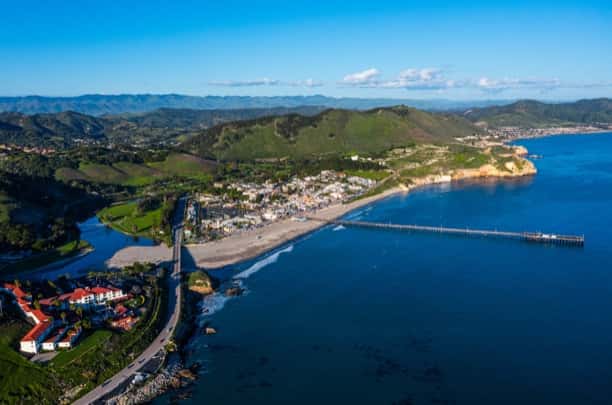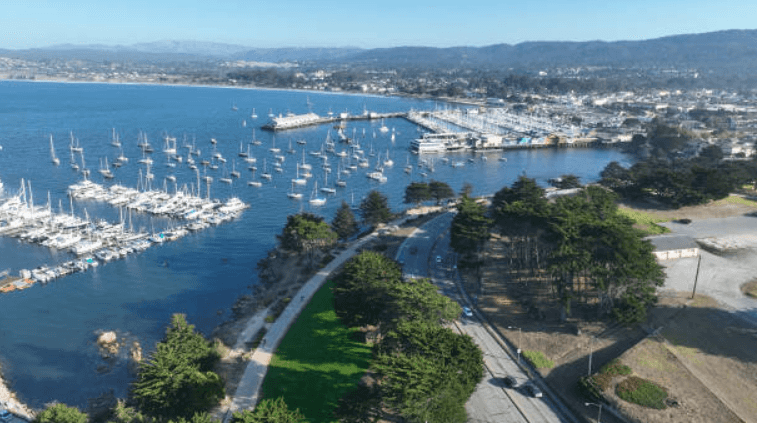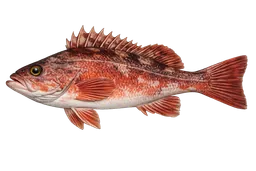

Santa Cruz sits on the northern edge of Monterey Bay — a cold-water Central California fishery built on salmon, rockfish, lingcod, and Dungeness crab. The fleet runs out of Santa Cruz Harbor, with the Municipal Wharf and the Cement Ship at the south end as inshore anchor points. Submarine Canyon depth is reachable on a short run, which is why the trip menu skips tuna and yellowtail and leans into bottom species year-round.
The harbor
Santa Cruz Harbor (the Small Craft Harbor) holds 800+ slips with most of the commercial fleet in the east lower harbor. Roughly 40 locally based commercial vessels still work out of Santa Cruz, primarily landing Dungeness crab, king salmon, white seabass, and California halibut — the same target species the sportfishing fleet works. The Municipal Wharf at the south end is the older inshore anchor, dating to 1914.
Grounds
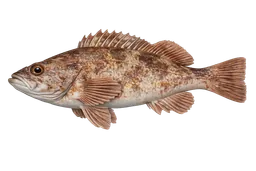
Named grounds sit close. The Monterey Bay Submarine Canyon plunges to roughly 10,000 feet directly offshore — among the deepest underwater canyons on the U.S. west coast. The Soquel Hole is a deep-water spot that requires a longer run from shore and produces salmon. Scattered reefs near the Mile Buoy hold rockfish in 30–90 feet of water. The Cement Ship off Aptos serves as an artificial reef producing rockfish.
Regulations
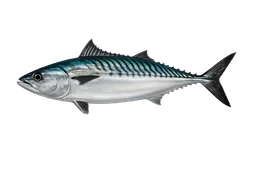
Two MPAs frame the local fishery. The Natural Bridges State Marine Reserve covers roughly 0.25 square miles across 3.9 miles of shoreline on the western edge of the city; per CDFW, "it is unlawful to injure, damage, take, or possess any living, geological, or cultural marine resource" inside the reserve. The Soquel Canyon State Marine Conservation Area, nine miles south of Santa Cruz in Monterey Bay, covers approximately 23 square miles and runs from 275 feet to over 2,100 feet deep; take is prohibited except for pelagic finfish — salmon, Pacific sardine, blue shark, salmon shark, shortfin mako shark, thresher shark, swordfish, tunas, Pacific bonito, and yellowtail.
Getting there
Santa Cruz reaches the South Bay and rest of the San Francisco Bay Area via State Route 17, "the primary route north to San Jose and the rest of the San Francisco Bay Area." Climate is mild — August averages 75.8°F and December averages 51.2°F on 30.63 inches of annual precipitation, a warm-summer Mediterranean pattern that supports a year-round charter window with species rotating by season.