About White Sturgeon
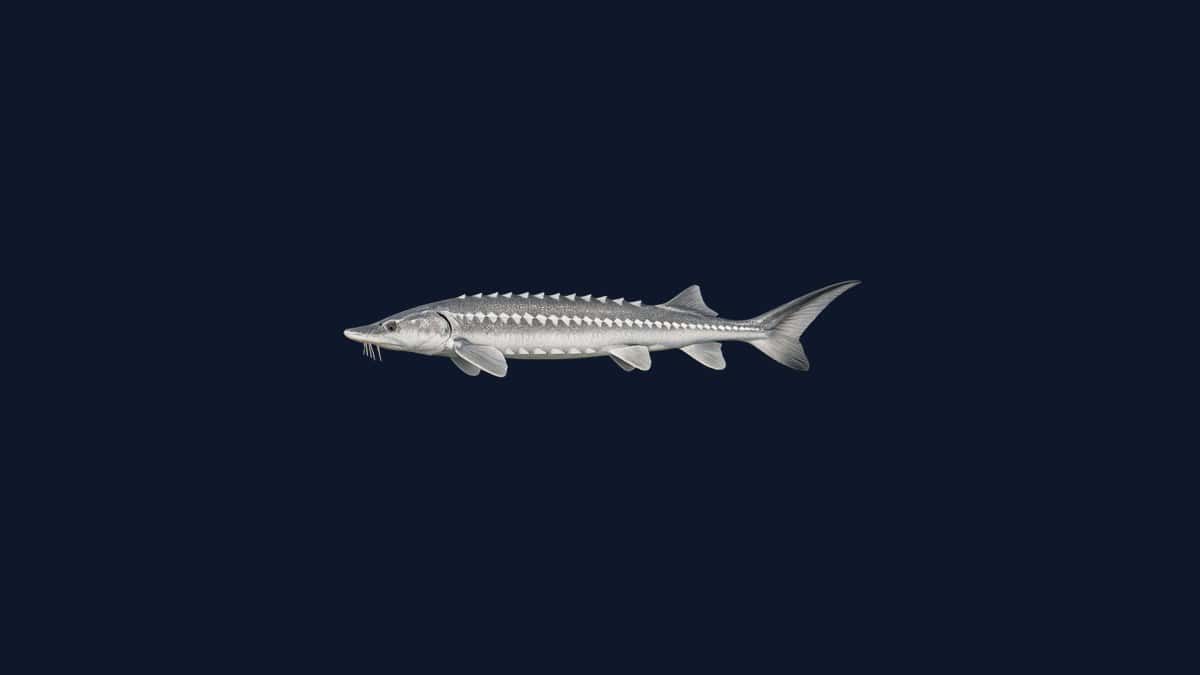
White sturgeon (Acipenser transmontanus) are living fossils. The species has remained essentially unchanged for 200 million years — it watched the dinosaurs come and go. In California, it's the largest fish most anglers will ever encounter: a mature female can exceed 300 pounds and live 60+ years.
None of that saves it from modern pressures. CDFW population surveys show roughly 80% fewer adult white sturgeon in California than 25 years ago. Drought, Delta habitat degradation, slow reproduction, and decades of legal harvest have taken a cumulative toll. California permanently closed retention in 2025. The fishery is now catch-and-release only — a conservation-first posture for a species that needs help.
Fishing for sturgeon in this context is a different kind of sport. You're not going to keep anything. You're going out to experience one of the most ancient fish in the Pacific, to handle it carefully, and to put it back healthier than you found it. That framing isn't consolation — it's the honest description of what the fishery is now.
How to Catch
White sturgeon are bottom feeders. They use four sensitive barbels on their rostrum (snout) to locate prey along the bottom of river channels and bay floors. They vacuum up shrimp, worms, and small fish without seeing them. Which means your bait needs to be on the bottom, in the right current zone, and where the fish are moving.
Ghost shrimp is the consensus top bait in the Delta and SF Bay — it's the natural forage, readily available at bait shops, and sturgeon locate it reliably. Thread a 7/0 circle hook through the shrimp and fish it on a sliding sinker rig (4–8 oz depending on current) that lets the bait rest on the bottom while the sinker holds position in the tide. Pile worms work nearly as well. Herring roe is effective during the January–March herring spawn in SF Bay and is worth using when roe is available.
Tidal timing matters more than location in many spots. Sturgeon feed actively on the tide change — both incoming and outgoing. Dead slack water is often dead for bites. Position your boat in a known channel with the right bottom type and let the fish come to you as the tide sweeps food past them.
The fight is deceptively powerful. A 60-pound sturgeon in current can feel like much larger fish. Stay calm, maintain steady pressure, and don't give them line unnecessarily. The goal is a controlled, short fight — for the fish's survival.
Eating Profile
White sturgeon is catch-and-release only. There is no eating profile to write for a fish you're required to release.
Historically, sturgeon was prized — the flesh is firm, mild, and almost meat-like in texture (they're sometimes compared to veal). Their eggs were the original American caviar. That era is over in California, and it won't return until the population recovers significantly.
Common Mistakes
- Fishing without a report card. The Sturgeon Report Card is required equipment for anyone fishing for white sturgeon — even on a catch-and-release trip. Carry it, fill it out for each session, and submit it by July 31.
- Not using circle hooks. J-hooks gut-hook sturgeon more often than circle hooks. A gut-hooked fish that gets released is often a dead fish. Use circle hooks and let the fish hook itself.
- Lifting large fish vertically. A 100+ lb sturgeon lifted vertically out of the water risks spinal compression and internal injury. For fish over 60 inches, release at the boat side. For smaller fish, support the body horizontally.
- Fighting fish to exhaustion. A fish that can barely swim off is a fish that may not survive. Keep the fight controlled and short. If the fish needs to recover, hold it horizontal in the water facing into current until it kicks away.
- Fishing closed stretches. Specific sections of the Sacramento River and other waterways have additional closures beyond the general season. Check the specific area regulations before launching.
Month-by-Month
- Jul–Sep: Closed season. No recreational sturgeon fishing in most areas.
- Oct: Season opens October 1. Fish begin to feed more actively as water cools.
- Nov–Dec: Good action in Delta channels and SF Bay. Pile worm and ghost shrimp produce.
- Jan–Feb: Herring spawn in SF Bay brings fish to traditional areas. Herring roe is the bait.
- Mar–Apr: Prime spring bite. Fish are moving and feeding actively before summer heat.
- May–Jun: Late season. Can be productive but fish are preparing to move into spawning rivers. Season closes June 30.