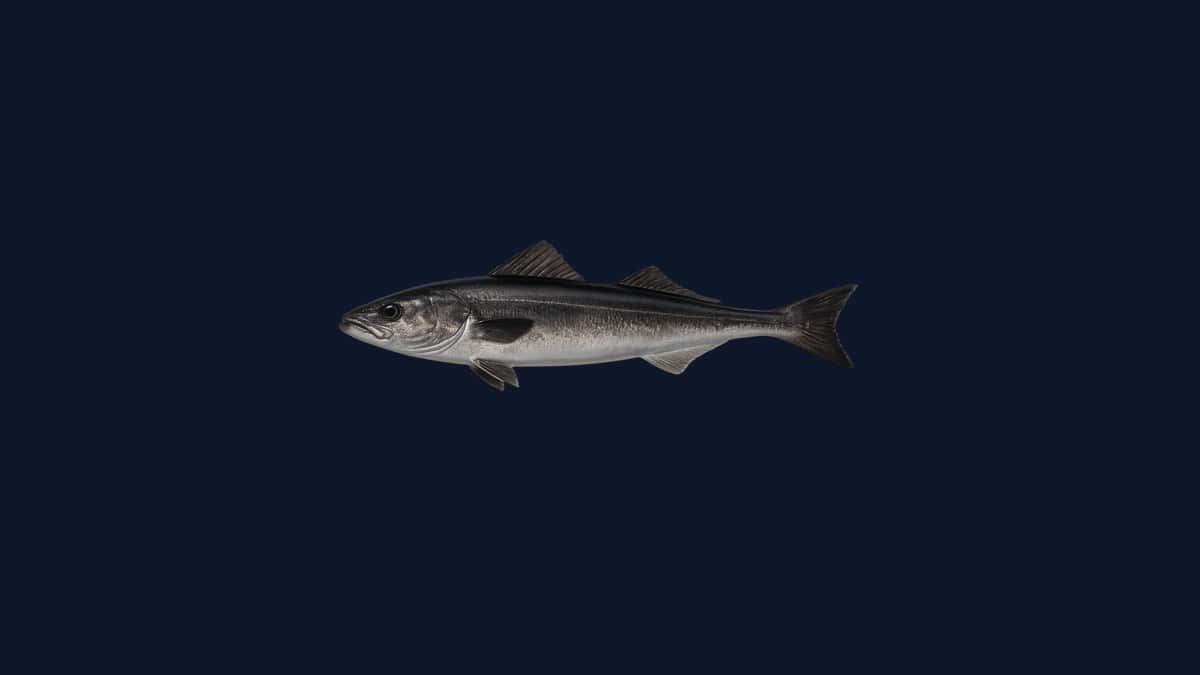
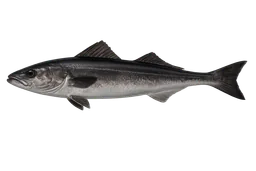
Pacific tomcod studio illustration — small cod-family fish with three dorsal fins and a distinctive chin barbel against a sandy background.
All Species

Pacific Tomcod

Microgadus proximus

In Season Now3 oz – 1.5 lbs

Pacific tomcod (*Microgadus proximus*) is not the white croaker. It is a true cod — Gadidae — found in NorCal and Central Coast bays and estuaries. Small, prolific, and willing. An excellent beginner fish.

Illustration: Fish City

About Pacific Tomcod

Pacific tomcod (Microgadus proximus) is a genuine cod — family Gadidae, the same family as Atlantic cod, pollock, and hake. It is not a croaker, not a drum, and not closely related to the white croaker that anglers often call 'tomcod' colloquially in SoCal. This is a small, cool-water, estuarine gadoid that ranges from Alaska to Southern California but is most abundant and reliably caught in NorCal bays and river estuaries.

FishBase doesn't document an impressive maximum size — these are small fish, typically 6 to 12 inches and under a pound. The fighting quality is modest. But the accessibility makes them valuable: they live in shallow, calm water around NorCal piers and bay shores, they bite readily on simple rigs, and they're forgiving of technique. That combination makes them the default beginner fish for NorCal anglers learning bottom fishing.

They're not a destination species for experienced anglers. But if you're fishing a NorCal bay in spring or fall and want consistent action, dropping a ghost shrimp rig from a pier is a reliable way to spend an evening.

How to Catch

Simple bottom rigs with small bait. Tomcod feed on small invertebrates along soft and sandy bottoms in bays and estuaries. A size 2 bait hook on a dropper loop, baited with ghost shrimp, pile worm, or cut squid, dropped to the bottom with a 1–2 oz sinker, is all you need. The fish are not selective. If there are tomcod on the bottom where you're fishing, they'll find the bait.

Light tackle is the play — 6–10 lb line and a size 1000–2000 spinning reel. The fight is light for a small fish but feels appropriate on ultralight gear. From a pier, any 8–10 ft light rod will do the job.

Tidal timing helps. Tomcod feed actively during moving tides; dead slack water often produces nothing. Position near the bottom in a tidal channel or bay flats area and wait for the current to carry food to the fish.

Eating Profile

Mild, white cod-family meat. The fillet per fish is small — a 10-inch tomcod yields maybe 2 oz of clean meat — so you need a limit to make a meal. That said, the flesh is clean and mild, fries or bakes well, and tastes like what it is: a small cod. Ice them promptly (all fish, but especially small fish which warm quickly); fillet same day.

Common Mistakes

  • Using too large a hook. Tomcod have small mouths. Size 2–4 bait hooks; nothing bigger. Large hooks produce more missed strikes than hookups.
  • Fishing warm-water southern California locations. Tomcod are a cool-water NorCal species. They exist south of the Golden Gate but in lower density. If you're targeting them specifically, focus on Humboldt Bay, Bodega Bay, Tomales Bay, and SF Bay mudflats.
  • Confusing them with white croaker. They look somewhat similar at first glance (small, silvery bottom fish) but white croaker have a different head shape, lack the small chin barbel that tomcod have (a true cod family feature), and are more common in SoCal surf zones. The chin barbel is the field ID.
  • Expecting large fish. If you catch one over 14 inches, that's a very good fish. Set expectations accordingly — tomcod are a numbers game, not a trophy game.

Month-by-Month

  • Jan–Feb: Present in NorCal bays year-round but slower bite in deep winter; piers over soft bottom can still produce.
  • Mar–Apr: Season picks up as water warms slightly. Bay edges and estuaries produce consistently.
  • May–Jun: Good action across NorCal bays. Ideal light-tackle month.
  • Jul–Aug: Peak summer abundance. Pier fishing in Humboldt Bay and Bodega Bay produces well.
  • Sep–Oct: Excellent fall action; fish are feeding before winter.
  • Nov: Still catching in warmer NorCal bays.
  • Dec: Slower; fish remain but bite decreases.

Where to Catch Pacific Tomcod in California

  • NorCal bays and estuaries — Humboldt Bay, Bodega Bay, Tomales Bay
  • SF Bay shallow channels and mudflats
  • Nearshore sandy and muddy bottom from Morro Bay northward
  • River mouths and tidal channels
  • Pier structure — particularly Central and NorCal piers over soft bottom

Conditions & Habitat

Water Temp

46–56°F; cool-water nearshore and estuarine species, more abundant in NorCal

Typical Depth

10–300 ft; bays, estuaries, and nearshore sandy and muddy bottoms

Diet

Small crustaceans, amphipods, worms, tiny fish, shrimp — small bottom-feeding cod

How to Catch Pacific Tomcod

Techniques

  • Small dropper loop rigs (size 2–4 bait hooks) baited with ghost shrimp or pile worms
  • Cut squid on a size 2 hook with a 1–2 oz sinker — simple and effective
  • Small Sabiki rigs dropped to the bottom in bay channels
  • Light jig heads (1/16–1/8 oz) with a 2-inch grub
  • Pier fishing — drop a bottom rig from any NorCal pier over soft bottom

Lures & Baits

  • Ghost shrimp or pile worm on a size 2 bait hook — the most natural presentation
  • Cut squid on size 2 circle hook with egg sinker (1–2 oz)
  • Small Sabiki rig (size 8–10) baited with tiny cut squid strips
  • 1/8 oz jig head with a 2" white or pink grub tail

Line & Leader

6–10 lb mono or braid, 8–10 lb fluorocarbon leader. Go light — these are small fish and light tackle makes the experience more interesting. Small hooks (size 2–4); tomcod have small mouths.

Rod & Reel Combos

  • 6–7 ft ultralight spinning rod with Shimano Sedona 2500 or any 1000–2000 reel, 6 lb braid
  • Light conventional with 8 lb mono — bay fishing setup
  • Telescoping pier rod, 8–10 ft, for reaching bottom from pier decks

Regulations

Pacific tomcod fall under the California general ocean finfish daily bag limit: 20 finfish in combination of all species, with no more than 10 of any one species (14 CCR § 27.60). No minimum size. No closed season. Note: tomcod is a separate species from white-croaker (Genyonemus lineatus) — regulations for each apply independently under the general aggregate. Always verify current CDFW regulations.

As of April 20, 2026 — CDFW source

Did You Know?

Pacific tomcod are oceanodromous per FishBase — they complete their life cycle in marine and brackish waters and do not spawn in freshwater (unlike their Atlantic congener *Microgadus tomcod*, which is anadromous). Young fish move into shallow bay and estuarine waters in summer and fall while adults stay in deeper water. The species has been used as a bioindicator for contaminant studies in Puget Sound and NorCal estuaries, where its nearshore lifestyle exposes it to runoff and sediment pollution in ways that open-ocean species are not.

Book a Pacific Tomcod Charter

Find charter boats targeting Pacific Tomcod at these California landings:

Frequently Asked Questions

No. Pacific tomcod (Microgadus proximus) is a true cod — family Gadidae, related to Atlantic cod and hake. White croaker (Genyonemus lineatus) is a drum — family Sciaenidae, related to corbina and yellowfin croaker. They're not closely related at all. Both are small bottom fish common to California, which causes confusion, but the species are different. Tomcod are more northern in range and prefer cooler, estuarine water; white croaker range further south and are more common in surf zones.

Sources

Ready to Find the Bite?

Join thousands of California anglers using Fish City for real-time fish counts, reports, and charter data.

Download on the App StoreGet it on Google Play

Free — no subscription required