A fish count is the tally a landing posts when a boat comes back to the dock: the boat, the trip, how many anglers were aboard, and what they caught by species. Read it right and it tells you where to go tomorrow. Read it wrong and 300 rockfish looks like a hot bite when it was a full boat and a slow day. Here is the vocabulary, field by field.
What a fish count is, and who reports it
California sportfishing landings post a count for each boat as its trips return. The boat reports its own catch, the landing publishes it, and Fish City compiles those reports across the state so you can read them in one place. Counts refresh daily. The website shows the most recent week for every boat and landing, plus yearly totals going back to 2022 where the data exists. The app goes deeper, with alerts when a boat you follow posts a count.
One thing to keep straight: a fish count is a report, not a survey. It is what the boat told the landing. Fish City does not hand-edit dock reports, and we say so on our data page. If a landing posts a count late, or not at all, the page shows that too.
The five fields on every count
Every trip row on Fish City has the same parts. Once you know them, every landing's count page reads the same way.
- Boat. The vessel that fished. On Fish City the boat name links to the boat's own page, where its recent trips and yearly totals live.
- Date. The day the trip was reported, which is the day the boat came back. An overnight or 1.5-day trip that left Tuesday and returned Wednesday shows up under Wednesday. Multi-day trips post once, on the return date, with the whole trip's fish.
- Trip type. How long the boat was out, in the landing's own words: 1/2 Day AM, 3/4 Day, Full Day, Overnight, 1.5 Day, and so on. More on these below.
- Anglers. How many people fished. Some landings leave this off. When it is there, it is the most useful number on the row.
- Species counts. One line per species, or per dock name for a species, with a number. The trip total on Fish City adds every line.
Trip types, decoded
Landings name trips by length, and the length tells you what the boat was fishing for. These are the labels you will see on Fish City, straight from the landing reports.
- 1/2 Day AM, 1/2 Day PM, 1/2 Day Twilight. Short trips close to the harbor: kelp beds, reefs, bay structure. Expect calico bass, sand bass, sculpin, rockfish, and in the warm months barracuda and bonito. Twilight is the evening version.
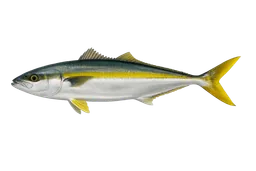
- 3/4 Day. Long enough to reach the islands or the deeper banks and still be home for dinner. Yellowtail, rockfish, and whatever is passing through.
- Full Day, Full Day Offshore, Full Day Coronado Islands. A full day on the water. The suffix tells you where: offshore trips chase pelagics like tuna, dorado, and yellowtail; Coronado Islands trips (out of San Diego) work the Mexican islands for yellowtail and bass.
- Overnight, 1.5 Day, 2 Day, 2.5 Day, 3 Day, 3.5 Day. The boat sleeps at sea. These are the tuna trips. The longer the trip, the further it can run and the more fishing days it gets, so compare a 2.5 Day count with other 2.5 Day counts, not with a half-day.
Trip lengths, hours, and what to bring are covered in our San Diego charter guide and the first-charter guide.
The number that matters: fish per angler
Divide the trip total by the anglers. That is the number a regular looks at first. A boat with 60 anglers and 300 rockfish averaged five fish each. A six-pack with 6 anglers and 60 rockfish averaged ten. The second boat had the better day, even though the first boat's total is five times bigger.
Fish City shows fish per angler on every trip row where the landing reported an angler count. When it is missing, the row says so instead of guessing. A big total with no angler count is a headline, not a rate.
"Released" lines
Many landings report released fish on their own line: "Calico Bass Released," "Barracuda Released," "Halibut Released." Those are fish that came over the rail and went back, usually because they were under the size limit or the anglers chose to let them go. The plain species line is what came home.
On Fish City the trip total includes released lines, so a "Calico Bass 8, Calico Bass Released 40" row is a 48-fish row for that species. The released line is the story: the bass were biting, the keepers were scarce. When we count how many species a landing saw this week, a released line and its base species count once.
Dock names are not always species names
Landings write counts the way the deck talks. "Rockfish" on a count is usually the whole mixed bag of rockfish species, not one fish. Some landings break out "Red Rockfish" or "Copper Rockfish" separately; most do not. "Red Snapper" on a California dock report means vermilion rockfish, not the Gulf fish. "Calico Bass" is the kelp bass. "Whitefish" is ocean whitefish.
Fish City links each species line to its species page where the dock name has a settled meaning, and leaves it as plain text where it does not. If a line on a count page does not link, that is on purpose: we would rather show you the landing's word than guess the species.
"Limits"
When a landing's report says a boat got limits of a species, every angler aboard reached the daily bag limit for it. The count for that species is then the anglers times the limit, and the boat likely moved on to something else. Limits of rockfish on a half-day is a good day, not a great one, because the limit is reachable. Limits of yellowtail is a day people talk about for a month. Current bag and size limits, with their as-of date, are on each species page.
Read a week, not a day
One trip is one trip. A single boat can find a school or miss it. What you want is the pattern across boats and days: the landing's seven-day total, the species table by day, and whether the number is climbing or falling. The Fish City fish counts hub shows what is biting statewide with a trend arrow on each species, and every landing and boat page carries a "Fish Counts by Year" table so you can see how this month compares with the same month in past seasons.
When a boat goes quiet
Not every boat fishes every day, and not every landing posts every trip. Fish City labels the difference instead of hiding it. A boat page says "Last trip reported" with the date when the boat is active. It says "No trips reported since" with the date when the boat has been quiet for a while. And it says "No fish counts on record" when we have never seen a count from that boat at all. None of those mean the boat is not fishing. They mean the landing has not published a count we can show you, and we will not fill the gap with old numbers.
Where to read counts on Fish City
- California fish counts: the statewide hub, every landing, the latest trips.
- City pages such as San Diego, Oceanside, and Long Beach: the city's landings, species by day, and the boats.
- Landing and boat pages, reached from any city page: the seven-day total in the title, recent trips, and yearly counts.
- Species pages: where a species is biting this week, with the landings that reported it.
- Fish reports: the story behind the numbers, from the same boats.
Get the count the moment it posts
The website shows the last seven days. The Fish City app tracks any boat or landing and sends you an alert when a new count lands.