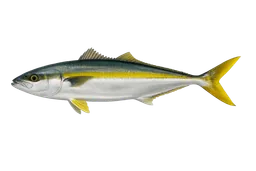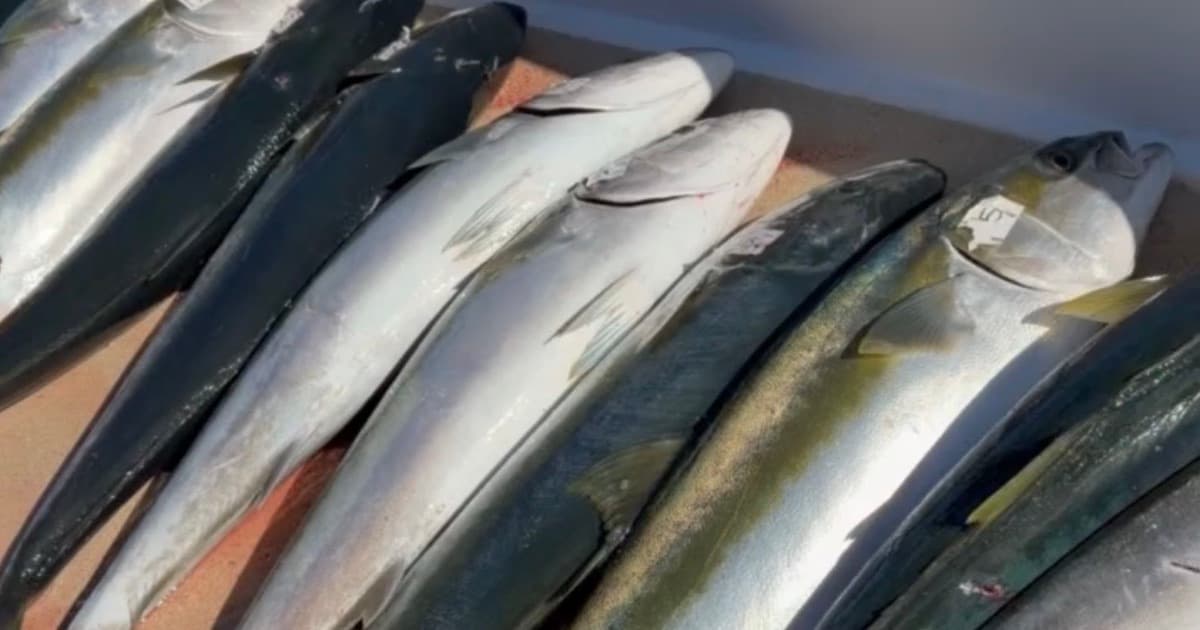
Yellowtail (Seriola lalandi) are one of the most prized inshore sportfish off San Diego, and for good reason—they're powerful, abundant during the right season, and provide some of the most exciting fishing of the year. Whether you're targeting them on live bait or throwing iron, yellowtail fishing in San Diego rewards anglers who understand the seasonal rhythm and dial in their technique. This complete guide covers when yellowtail bite, the best charter boats, proven techniques, tackle setups, and essential regulations you need to know before booking your trip.
Why San Diego Is the Yellowtail Capital of California
San Diego's position as the yellowtail capital of Southern California isn't by accident—it's geography. The Coronado Islands, located just 8 miles south of Point Loma, sit at the edge of the Pacific and create exceptional upwelling that brings cold, nutrient-rich water to the surface. This creates ideal conditions for the small baitfish that yellowtail hunt relentlessly. The Coronado Islands are the year-round epicenter for yellowtail fishing in San Diego, with consistent action from January through December.
Water temperature is critical: yellowtail prefer the 64–75°F range, with peak feeding between 70–72°F. San Diego's kelp beds and offshore structure maintain these temperatures longer than most of California, which is why yellowtail fishing in San Diego extends year-round while other regions are limited to specific seasons. The combination of structure, bait, current, and water temperature creates a perfect storm for yellowtail productivity.
A key note for San Diego yellowtail trips: the Coronado Islands are part of Mexico's jurisdiction. You'll need a valid passport or passport card AND a Mexican fishing license for any trip targeting the islands—this is non-negotiable and required by law.
When to Fish for Yellowtail in San Diego
San Diego's yellow tail season is unlike most regions—the Coronado Islands produce year-round, but the broader San Diego area follows a more seasonal pattern. The prime yellowtail fishing in San Diego runs from March through October, with July through September representing peak season when both fish abundance and bite intensity are at their highest.
Spring (March–May): The first reliable push of yellowtail appears in March as water temperatures climb toward the 65°F threshold. April and May are excellent months, especially for yo-yo jig enthusiasts targeting the Coronado Islands and local kelp beds. Spring fish tend to be hungry after winter dormancy, and you'll often see explosive strikes on live mackerel.
Summer (June–August): This is the golden window for yellowtail fishing in San Diego. Water temperatures lock into the optimal 70–72°F zone, bait abundance peaks, and yellowtail spread from the Coronado Islands throughout the local kelp (La Jolla, Point Loma, Dana Point area). Surface iron fishing becomes viable in June and peaks through August when fish are boiling in the morning bite.
Fall (September–October): September is often THE peak month for yellowtail fishing in San Diego. Bait is still abundant, water temperatures remain ideal, and the fish are feeding hard before the fall transition. October can be solid but becomes more inconsistent as water temps start to drop and fish begin a subtle migration pattern.
Winter (November–February): The Coronado Islands remain productive year-round, but most local San Diego kelp fishing slows considerably in winter. Water temperatures drop below 65°F, and yellowtail move deeper or farther offshore. Winter yellowtail fishing in San Diego is possible but requires patience and offshore capability.
Top San Diego Yellowtail Locations
Yellowtail congregate around structure and current, and San Diego offers several world-class hotspots. Here are the primary zones for yellowtail fishing in San Diego:
- Coronado Islands: The #1 yellowtail destination out of San Diego. Located just 8 miles south of Point Loma, the North, Middle, and South islands sit at a current break that funnels bait through the zone year-round. This is the only zone producing consistent yellowtail action in winter, and it's where 90% of San Diego's dedicated yellowtail trips are headed. All trips to the Coronado Islands require a valid passport and Mexican fishing license.
- La Jolla Kelp Beds: The dense kelp forest north of La Jolla Shores holds yellowtail spring through fall, especially when water temperatures are above 68°F. This is an excellent zone for fly-line live bait presentations and is less crowded than the Coronado Islands on weekends.
- Point Loma Kelp: The extensive kelp forest south of the Point Loma Lighthouse holds resident yellowtail from May through October. This zone is productive in both live bait and iron presentations, and its proximity to the Sportfishing landings makes it convenient for half-day trips.
- Dana Point / Long Beach Kelp: When San Diego yellowtail are slower, some boats run north to kelp paddies between Dana Point and Long Beach. These zones can hold quality yellowtail but require longer ride times.
Proven Yellowtail Techniques for San Diego
San Diego yellowtail fishing offers multiple productive approaches, each with specific seasonal and location applications. The best anglers have multiple techniques dialed in and switch based on conditions, fish location, and time of day.
Live Bait Fly-Lining (Spring & Fall)
Live bait is the bread-and-butter approach for spring and fall yellowtail in San Diego. The key is matching bait selection to current conditions and maintaining natural presentation.
Best bait: Live Spanish mackerel (4–6 inches) are the gold standard. Pacific mackerel work well too. Live sardines are a solid backup, especially in spring. Mackerel are preferred because they're oily, produce significant vibrations, and yellowtail hunt them more aggressively than sardines. Yellowtail feeding on mackerel are less line-shy and hit with conviction.
Rigging: Use a simple setup: #2–4/0 hook (Owner or Gamakatsu) nose-hooked or collar-hooked on light leader (30–40 lb fluorocarbon). Nose-hooked bait tends to swim better; collar-hooked works in calmer water. The key is NO weight—you want the bait at the surface or upper water column where yellowtail hunt. Many San Diego anglers use a small pinball sinker just to assist with long casts, but standard practice is near-weightless.
Technique: Cast or let your bait drift along kelp edges and current breaks. Maintain light tension so the bait swims naturally. When a yellowtail strikes—and they hit hard—set the hook immediately. These fish have tough mouths, so a firm hookset is critical. Once connected, yellowtail are relentless fighters with strong initial runs.
Yo-Yo Iron (Peak Summer & Coronado Islands)
Yo-yo iron is the most popular and productive yellowtail technique at the Coronado Islands. It's deadly in summer when fish are concentrated and feeding aggressively on small baitfish. This is the technique you'll see on 90% of San Diego Coronado Islands trips.
Popular iron models: Tady 9 yo-yo jigs in scrambled egg, green, or blue/chrome are the workhorses of San Diego yellowtail fishing. Salas 6X and 7X jigs in white, mackerel, or chrome patterns are equally deadly. These jigs are compact (1.5–2.5 oz), sink fast, and have a proven erratic action that yellowtail cannot resist. In late summer, smaller jigs (Salas 5X or Tady 7) often produce when fish are satiated or feeding on smaller baitfish.
Yo-yo technique: Cast your iron near kelp edges or drop it straight down over structure. Reel up 15–20 feet with steady speed, then let it fall on slack line with the reel handle up—this controlled "yo-yo" action mimics a struggling baitfish. The most productive anglers work the fall aggressively: anticipate the hit as the jig descends. Hits often come on the fall or during the pause, so stay alert. Once you detect any pause, resistance, or weight change, set the hook hard.
Tackle setup: Use a 6.5- to 7-foot conventional rod rated for 25–30 lb braid (Shimano Baitrunner, Penn Squall, or Abu Garcia). Braid gives you superior feel and faster recovery, which is critical when working 50–80 feet of water and setting hooks on multiple fish in one area. Some anglers use 30–40 lb fluorocarbon leader to the jig, but many San Diego crews tie direct to braid.
Surface Iron (Summer Boils)
When yellowtail are boiling on the surface in summer, surface iron is electrifying—and it's one of the most fun ways to catch yellowtail in San Diego. This approach works best from June through August when water temps are ideal and fish feed aggressively in the shallows.
Best iron for surface: Tady 45 (Tady 4/5) in scrambled egg, mint/white, or blue/white. Salas 7X Light in chrome or blue/white. These are slightly larger, wider-bodied jigs (2–3 oz) designed to be cast and worked with side-to-side action. The wider profile creates visible disturbance and erratic action when yellowtail are feeding hard.
Technique: Cast toward boiling fish and retrieve with steady speed while working the rod tip side-to-side, creating a darting action. When fish are truly boiling, they'll hit on the cast or during the retrieve. Keep working even if you miss a strike—yellowtail often boil as a school, and persistence pays. This is sight-casting at its best: watch for visible disturbance, read wind patterns, and position upwind of the boil.
Essential Tackle Setup for San Diego Yellowtail
Having the right tackle dialed in makes a dramatic difference in your yellowtail fishing success. San Diego yellowtail aren't delicate—they're strong, aggressive fighters with tough mouths. Your gear needs to match.
Yo-Yo Iron Setup (Most Popular):
- Rod: 6.5–7 ft conventional rod rated for 25–30 lb braid (Shimano Baitrunner, Penn Squall)
- Reel: Conventional baitcaster with smooth drag and line capacity (at least 200 yards)
- Line: 25–30 lb braided mainline (better feel and sensitivity)
- Leader: 30–40 lb fluorocarbon or direct-tie to jig
- Jig: Tady 9, Salas 6X, 1.5–2.5 oz in scrambled egg, blue, or mackerel
Live Bait Setup (Spring/Fall):
- Rod: 6–7 ft light to medium-heavy spinning or conventional rod
- Reel: Spinning reel (size 3500–4500) or conventional baitcaster
- Line: 20–30 lb test
- Leader: 30–40 lb fluorocarbon
- Hook: #2–4/0 Owner or Gamakatsu, nose-hooked
- Bait: Live Spanish mackerel (4–6 inches)
Surface Iron Setup (Summer Boils):
- Rod: 8–10 ft iron rod (CalStar Graphighter 800M/L or similar) with star-drag reel for long casts
- Reel: Conventional star-drag reel rated for 50 lb braid
- Line: 30–50 lb braided mainline
- Leader: 40–50 lb fluorocarbon
- Iron: Tady 45, Salas 7X, 2–3 oz in scrambled egg or mint/white
Pro tip: Most San Diego charter boats provide rental rods and tackle, but serious anglers bring their own setup dialed in. Having a rod you trust and know how to use dramatically improves hook-set consistency and overall fish-landing percentage.
Best San Diego Charter Boats for Yellowtail Fishing
Your best chance at consistent yellowtail fishing in San Diego is booking a dedicated charter through one of the established sportfishing landings. The boats and captains who specialize in yellowtail know where they congregate, what bait they prefer in different seasons, and how to navigate the kelp without getting fouled. San Diego's charter fleet is world-class—several boats landed over 1,000 yellowtail in 2025 alone.
Top-producing boats for San Diego yellowtail:
- Mission Belle (Point Loma Sportfishing) – The #1 yellowtail boat out of San Diego with 1,186 yellowtail in 2025. Captain Mike and the crew are specialists at the Coronado Islands and consistently put limits of yellowtail on the deck.
- San Diego (Seaforth Landing) – Another proven producer with solid yellowtail consistency. Known for professional crew and well-maintained tackle.
- Polaris Supreme (H&M Landing) – Excellent boat for both Coronado Islands yellowtail and local kelp bed fishing. Crew is experienced with fly-line presentations.
- Top Gun 80 & Liberty (Fisherman's Landing) – Both boats have strong yellowtail track records and are known for aggressive captains who cover water efficiently.
Choosing your landing: For the most convenient San Diego yellowtail charter experience, visit the major landings:
- Browse all San Diego charter boats – Compare daily itineraries, pricing, and real-time fish counts.
- Point Loma Sportfishing – Home of the Mission Belle. Located on Scott Street with convenient parking and excellent morning atmosphere.
- H&M Landing – Consistently strong yellowtail trips, multiple boats, and a well-stocked tackle shop on-site.
- Seaforth Sportfishing – Premium option with newer boats. Good choice for anglers wanting a higher-end experience.
Most landings offer full-day trips (8 hours) and half-day trips (4–5 hours) during yellowtail season. For yellowtail fishing in San Diego, full days are almost always worth it—they venture to the Coronado Islands reliably, cover more water, and give you multiple bite windows. Arrive early (5:00–5:30 AM) to get a good rail spot and bait selection.
Regulations and Legal Requirements
Before booking any yellowtail fishing trip in San Diego, understand the legal requirements:
California State Regulations:
- Daily bag limit: 10 fish per angler
- Minimum size: 24 inches fork length
- Valid California fishing license required (available online or at tackle shops)
Coronado Islands (Mexico): This is critical—the Coronado Islands are Mexican territory. For any trip heading to the Coronado Islands:
- You MUST have a valid passport or passport card
- You MUST have a valid Mexican fishing license (can be purchased at most San Diego landings, approximately $30–50)
- Failure to have proper documentation can result in the boat being turned around at the island, wasting your day and money
Size expectations: San Diego yellowtail typically range from 8 to 25 lbs, with consistent 10–15 lb fish being normal on a good day. Fish in the 20–30 lb range are present but less common; you'll occasionally hook them in September and October. Most anglers catch 5–8 fish per full-day trip during peak season.
Planning Your San Diego Yellowtail Fishing Trip
Before booking, do your homework. The difference between a 3-fish day and a 10-fish day often comes down to timing and boat selection.
Check Real-Time Fish Counts
The Fish City app shows live yellowtail counts from San Diego landings. Before committing to a trip, check what was landed yesterday:
- 50+ yellowtail = strong bite, book immediately
- 20–50 yellowtail = solid bite, good odds
- 10–20 yellowtail = slow bite, but still fishable
- Under 10 yellowtail = very slow, consider waiting or trying live bait tactics
Booking Strategy
- Target peak season (July–September): Book during these months for highest success rates. Spring (March–May) is solid but less consistent. Avoid winter unless you're specifically targeting the Coronado Islands.
- Book early in the week: Weekday trips (Tuesday–Thursday) often have fewer anglers and less fishing pressure. Weekends are popular and crowded.
- Full-day vs. half-day: For yellowtail fishing in San Diego, full days are worth it. Half days work for local kelp (La Jolla, Point Loma), but full days give you time to reach the Coronado Islands, where the best consistent action is.
- Bring your own tackle: Most landings allow personal rods. Having your own setup dialed in reduces frustration and increases hook-set consistency. If you're renting, get there early to inspect condition.
- Arrive early: Get to the landing by 5:00–5:30 AM. You'll get a better rail spot, access to the best bait selection, and a chance to talk to the captain or crew about the day's game plan.
Tactics for a Successful San Diego Yellowtail Day
- Fish the slack water: Right before and after tide changes, yellowtail bite more aggressively. Ask the crew or check a tide chart before the trip.
- Set the hook hard: Yellowtail have thick, tough mouths. When you feel a strike, set the hook with conviction. Drive that hook home—don't be gentle.
- Stay alert on the falls: When yo-yoing iron, most hits come as the jig is falling. Keep your hand ready and your sensitivity high. Anticipate the strike.
- Match the hatch: Pay attention to what the crew is using on the boat. If certain iron colors or sizes are producing, switch to them. Yellowtail are competitive eaters; if you see another angler's fish, match their tackle.
- Control line around kelp: Learn to work structure without getting fouled. Keep tension on the fish immediately after hookup, and let the captain guide you through any kelp hazards.
- Embrace the boils: If you see surface activity, be ready to cast. Surface iron on boiling yellowtail is some of the most thrilling fishing you'll experience.
Get Real-Time Fish Counts in the Fish City App
Stop guessing whether yellowtail are biting. The Fish City app shows live catch counts from San Diego landings so you can book your trip when the bite is hot. Check yesterday's landings and plan with confidence.