About Canary Rockfish
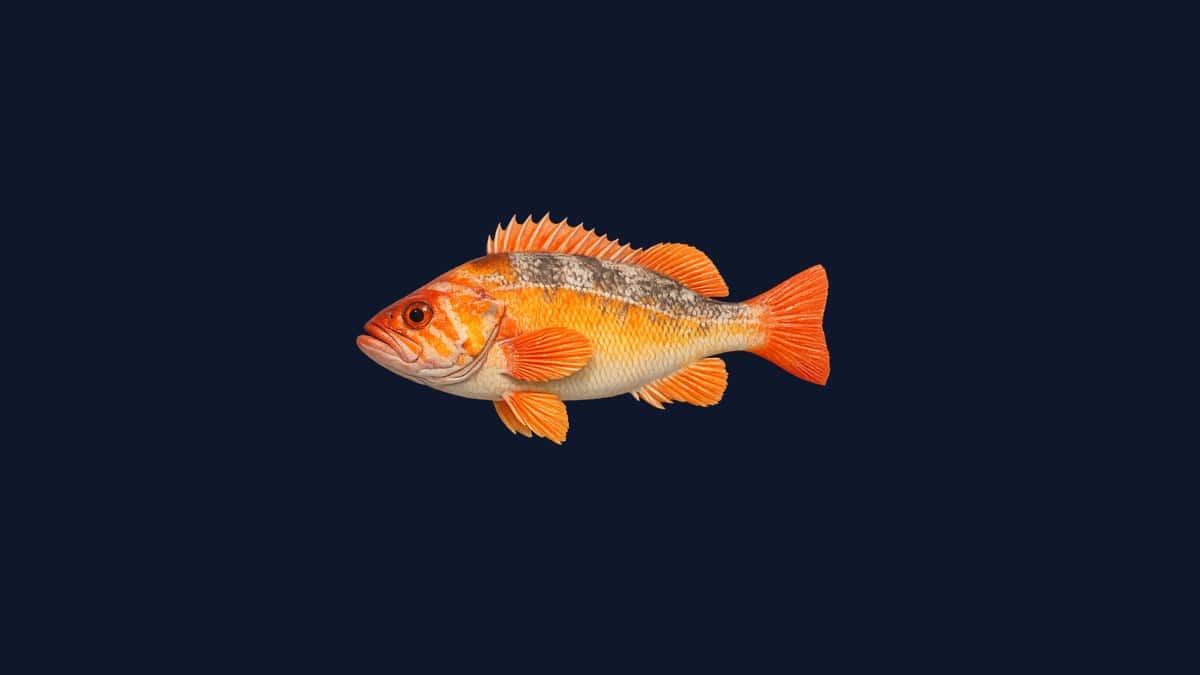
Canary rockfish are one of the most striking species in the Sebastes genus — bright orange-yellow body with three distinctive orange horizontal stripes across the head. For years, they were no-retention: the species had been overfished and NOAA's West Coast Groundfish FMP prohibited keeping them entirely.
They're back in 2026. CDFW reopened canary rockfish with a statewide 2-fish sub-limit. That's a conservative allotment that reflects the species' slow recovery trajectory — canaries grow slowly and live a very long time (FishBase max 84 years). The population responded to protection, but 2 fish per day is all the fishery is offering right now.
FishBase: max length 76 cm, max weight 4.5 kg (~9.9 lbs), depth range typically 90–270 m. They're deep-water fish. The California state record jumped to 10 lbs 4 oz in December 2025 (Albion, Mendocino County), which is consistent with NorCal's deep structure holding the largest fish.
How to Catch
Same deep-water program as vermilion. Canaries live in similar depth zones to big reds — 100 to 400 ft on rocky structure. The standard deep-rockfish rig works: shrimp fly gangion with 16–24 oz torpedo, dropped to the bottom and reeled up two cranks.
Flat-fall jigs produce the bigger individual fish. A 150–200g Shimano Butterfly on the bottom of a rocky pinnacle will pick off a canary that a bait rig misses. Bring spares — you're fishing the same structure that eats jigs.
Know your ID before dropping into the sack. The 2-fish sub-limit means you can accidentally over-limit without realizing it if you confuse canaries with vermilion. Three orange stripes on the head = canary. Uniform mottled red-orange = vermilion. When in doubt, hold it up for the deckhand.
Common Mistakes
- Not knowing the 2-fish sub-limit. Canary rockfish count toward the 10-fish RCG aggregate AND have a 2-fish cap of their own. You can't take 4 canaries even if only half your aggregate is filled. The deckhand will sort at the cleaning station — don't hide them.
- Surface-releasing without descending. Given the years it took to recover this species, descending every released canary is the right call. They live deep. Surface releases from 200+ ft almost never survive.
- Misidentifying them at depth. Light colors shift when you're looking at fish on a gangion in poor light. The three head stripes are the reliable ID marker — vermilion lacks them.
Month-by-Month
Canaries follow the groundfish season calendar (see /species/rockfish). NorCal-specific:
- Jan–Mar: Closed for boat-based fishing.
- Apr: Opener. Canaries accessible on deep-structure NorCal trips.
- May–Aug: Peak season for NorCal offshore banks; best average size.
- Sep–Oct: Solid fishing if weather allows offshore runs.
- Nov–Dec: Weather limits access but fish remain on structure.