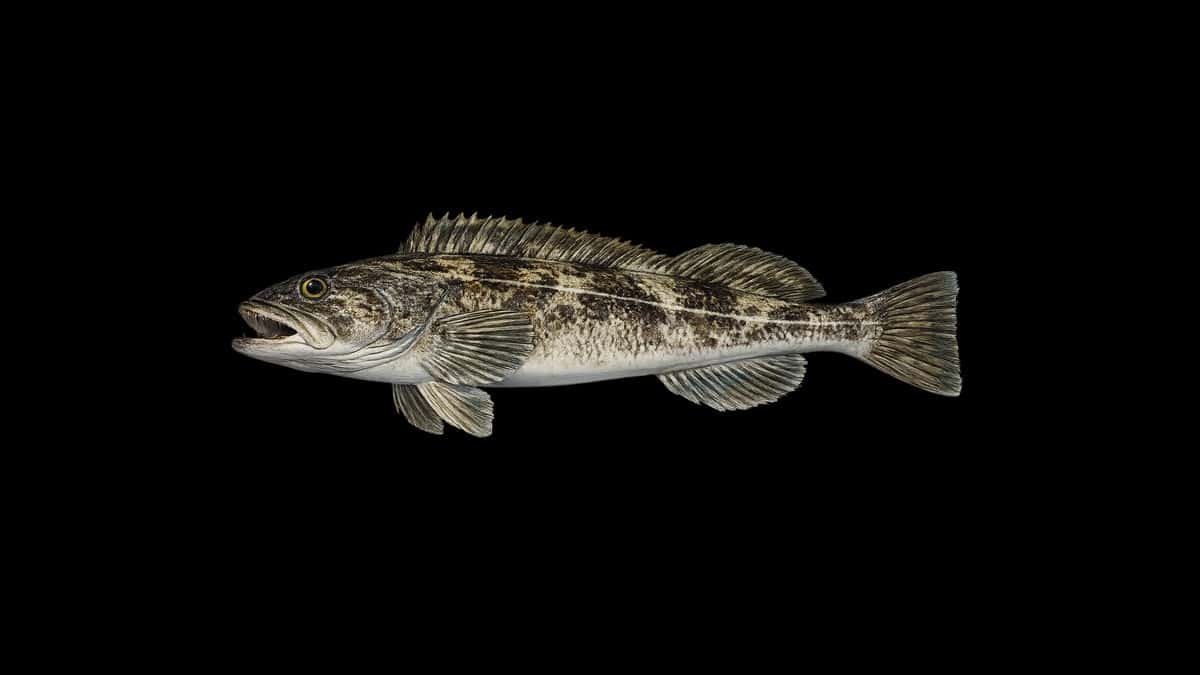
About Lingcod
Lingcod are the apex predator of California's reefs. They don't school, they don't migrate, they don't care about your bait rig — they're ambush hunters that sit in crevices and explode on anything that moves. Other rockfish are afraid of lings; divers report seeing rockfish hide when a lingcod cruises by.
A 10-pound lingcod is a keeper. A 20-pound ling is a great day. A 40-pound ling is magazine-cover fish. The IGFA all-tackle record is 82 lb 9 oz from Homer, Alaska (2007). They grow slowly — females max out around 20 years, males around 14, and the really big fish are all old females.
They're broadly distributed from Baja to Alaska, with the biggest SoCal fish in 250–400 ft on deep reefs (often inside the RCA boundary, which makes them hard to target legally most seasons), and the most reliable shallow lings in Central/NorCal at 60 to 200 ft where ocean conditions keep water cold year-round.
How to Catch
Swimbaits, live bait, and opportunism.
The swimbait pattern dominates SoCal private-boat ling fishing. You tie on a 9-inch plastic swimbait on a 4- to 8-oz wedge lead-head, cast it to rocky structure, and retrieve it slowly along the bottom. The bite is unmistakable — a hammer strike, then weight. Reel hard, keep the line tight, and pull the fish away from the rocks. If you give it slack, it ducks under a ledge and you're breaking off.
The live-bait pattern works coast-wide. A live sand dab (a small flounder, caught on the same trip) on a 5/0 circle on a dropper loop is unbeatable — lings can't resist them. Next-best baits: live mackerel, live sardine, or even a fresh-dead rockfish head chunked on a dropper.
The classic bonus catch: you're reeling up a rockfish and it feels extra heavy. A lingcod has grabbed your fish and won't let go. Keep reeling slowly — as long as you don't stop or rip, it'll hang on all the way to the rail. Net it; don't try to lift it on line. This is how 30+ lb lings get caught on party boats every trip.
Tackle matters. Lings pull hard, live in rocks, and love to break off. Braid should be 65 lb minimum; leader should be 40–60 lb fluoro. Hooks should be rated for the fight — 7/0 circle or 8/0 J for big live bait. Don't go lighter thinking you'll "feel the bite better"; you'll just lose fish.
Eating Profile
Outstanding. Firm, white (sometimes blue before cooking), mild with a slightly sweet flavor. Lingcod is the go-to fish-taco protein on the Central Coast. It grills, bakes, and fries well — it doesn't flake apart like sole, and it holds up in breading better than rockfish.
A 20-lb ling yields 6–8 lbs of boneless fillets. The cheeks are chef-grade — tiny, sweet medallions that cost $40/lb at a restaurant. Always harvest them. Freeze vacuum-sealed for up to 6 months.
Seafood Watch rates California hook-and-line lingcod as a Best Choice. The stock is healthy; the fishery is tightly managed.
Common Mistakes
- Too light a leader. 20 lb fluoro on lings is a gift to the reef. Start with 40 lb; if fish are spooky, drop to 30 lb leader but keep mainline braid heavy.
- Ripping on the hookset. Lings inhale bait; a hard swing rips the hook through soft mouths. Reel down, load the rod, and let the fight start.
- Fishing sandy bottom. Lings live on ROCKS. Sandy bottom produces halibut, not lings. Look for structure — pinnacles, boulder fields, kelp-rock transitions.
- Missing the dropped live-bait rod. When reeling up a rockfish and you feel the rockfish go dead in the water, a ling has taken it. SLOW DOWN. Keep steady pressure and net at the rail.
- Fishing the Jan–Mar closure. Boat-based ling fishing is closed January 1 through March 31 in most management areas. Plan your trip April onward.
Month-by-Month
- Jan–Mar: Closed in most areas. Wait for April.
- Apr: Opener. Fish are hungry post-spawn. Channel Islands and Central Coast produce.
- May–Jun: Peak first half. Nesting males have dropped off; females and males both feed aggressively.
- Jul–Aug: Good action but fish move deeper as surface water warms. Central Coast and NorCal stay shallow; SoCal goes to 200+ ft.
- Sep–Oct: Fall peak. Water cools, fish become more aggressive, swimbait bite turns on. Best private-boat window.
- Nov–Dec: Bite stays strong. Weather becomes the limiting factor. When the boats run, they catch fish.