About Brown Rock Crab
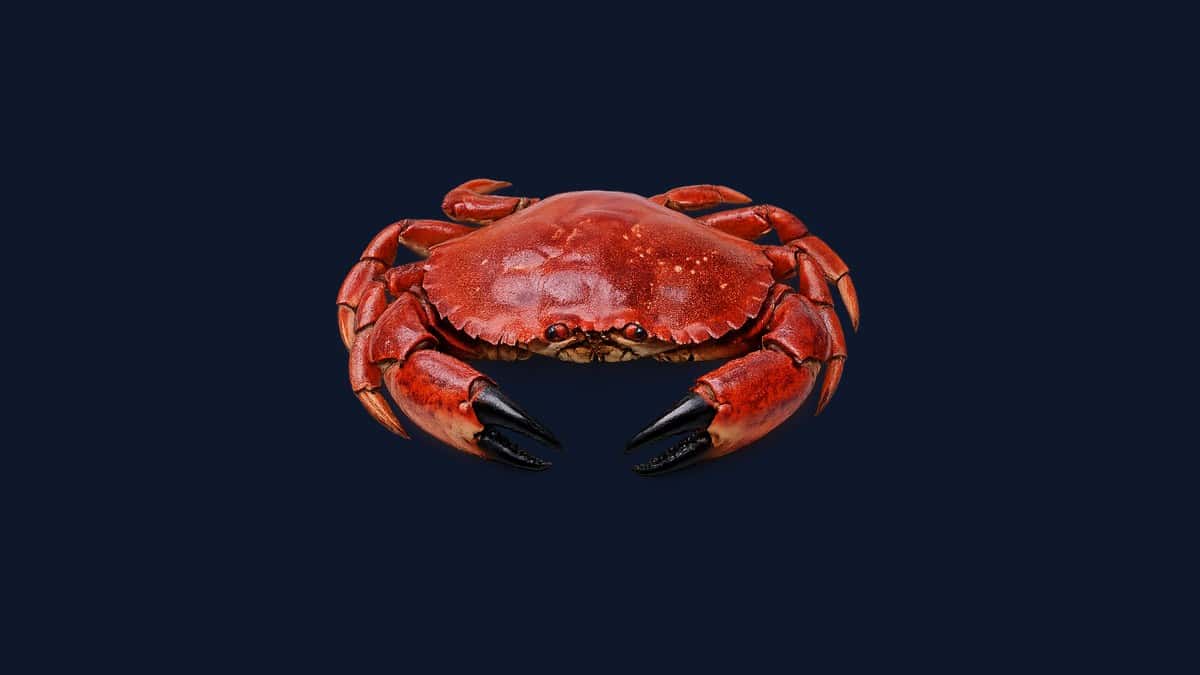
Brown rock crab (Romaleon antennarium) is the year-round California mid-sized crab. A legal adult runs 4 to 6 inches across the carapace and 8 oz to 2 lbs. They live from Sequim, Washington down to central Baja, but the bulk of the population — and all the serious SoCal recreational effort — is south of San Francisco. Unlike Dungeness, they tolerate warmer water, so they dominate SoCal rocky bottom where Dungeness don't live.
Scientific name is confusing. They used to be Cancer antennarius (Stimpson, 1856). In 2007, taxonomic revision split them into the new genus Romaleon; the accepted name is now Romaleon antennarium. CDFW documents and older sea grant profiles still use both. Regulations under § 29.85(c) reference "rock crabs" in common language, so the taxonomic change doesn't affect the legal regime — this is still a "rock crab" under the 35-bag combined Cancer-family regulation.
They're the crabber's default outside Dungeness season. July through October, when Dungeness is closed in most counties, rock crabs carry the California recreational crab fishery. Year-round legality, 35-bag combined limit with the other rock-crab species, and no special validation (unless using traps, which require the Recreational Crab Trap Validation) make them accessible.
How to Catch
Hoop net from a boat is the workhorse method. 15–80 ft over rocky or mixed rock/sand bottom. Squid or mackerel in the bait box; 30–60 minute soak; rebait and reset. Works best where rocks meet sand — rock crabs forage along those edges. Hot spots: Palos Verdes, Santa Monica Bay, Avila reef, Monterey Breakwater, Santa Barbara mainland.
Crab trap extends the soak to overnight. Requires the Recreational Crab Trap Validation, a marked buoy displaying your name and GO ID, and a rot-away destruct device (§ 29.80). Higher yield per trip — but the gear is your responsibility, and a lost pot keeps fishing ghost crabs.
Crab snare works from piers and jetties. 4 to 6 oz pyramid sinker with mono loops, baited, cast into rocky nearshore, wait for load, yank hard. Redondo Beach Pier, Stearns Wharf, Avila Pier, Morro Bay sandspit, Monterey Wharf all produce brown rock crabs consistently.
Hand collection at low tide in rocky intertidal. Works but lower yield than hoop net. Check MPA status before taking — many California tidepool zones are no-take marine reserves.
Gauge rule: 4 inches carapace width minimum outside Districts 8 and 9. The 35-bag is combined across red rock, brown rock, yellow, and slender crabs. Track totals; don't exceed.
Eating Profile
Excellent. Many SoCal crabbers prefer brown rock crab to Dungeness — the meat is denser and sweeter, with a mineral-saltwater intensity you don't get from the sandy-bottom Dungeness. Yield per crab is lower (a 4-inch crab produces ~3 oz of picked meat; a 6-inch crab ~5–6 oz), so a meaningful meal takes 8–10 crabs.
Cooking: boil or steam 8–10 minutes in well-salted water, shock in ice water, crack, pick. Stubby claws hold the densest meat. Body meat is good; leg meat is fiddly but worth it. Save the shells for bisque stock.
Domoic acid advisories: rock crabs can accumulate domoic acid like Dungeness. Check CDFW shellfish advisory status for your area before eating viscera. When in doubt, pick meat only, discard guts.
Common Mistakes
- Measuring incorrectly. Shortest distance through the body at widest point — the spines don't add to the measurement.
- Exceeding the combined 35-bag. Red, brown, yellow, and slender crabs count together. Track totals.
- Ignoring Districts 8/9 carve-out. If you're in SF Bay or San Pablo Bay, no minimum applies — but 35-bag still does.
- Unmarked or non-compliant trap buoys. Rot-away destruct panel required; buoy must display your name and GO ID.
- Handling without gloves. Black-tipped pincers cut skin efficiently.
- Assuming SoCal crabs are brown rock crab. Check the carapace: brown rock crab has an oval, wider-than-tall shell; red rock crab has a rounder, more squared profile. Misidentification doesn't hurt you legally (same bag, same size), but for record keeping and taxonomic literacy it matters.
Month-by-Month
- Jan–Mar: Legal but most crabbers focused on Dungeness (which is in peak season). Rock crabs available in SoCal where Dungeness isn't present.
- Apr–Jun: Dungeness season winding down; rock crabs becoming the primary target.
- Jul–Oct: Peak effort. Dungeness closed except Del Norte/Humboldt/Mendocino (through July 30). Rock crabs carry the summer and fall fishery. Water warm, crabs active, hoop nets producing.
- Nov–Dec: Dungeness reopens first Saturday of November. Rock crabs remain legal and target-able; many SoCal crabbers continue with rock crabs because Dungeness isn't abundant in most SoCal waters.