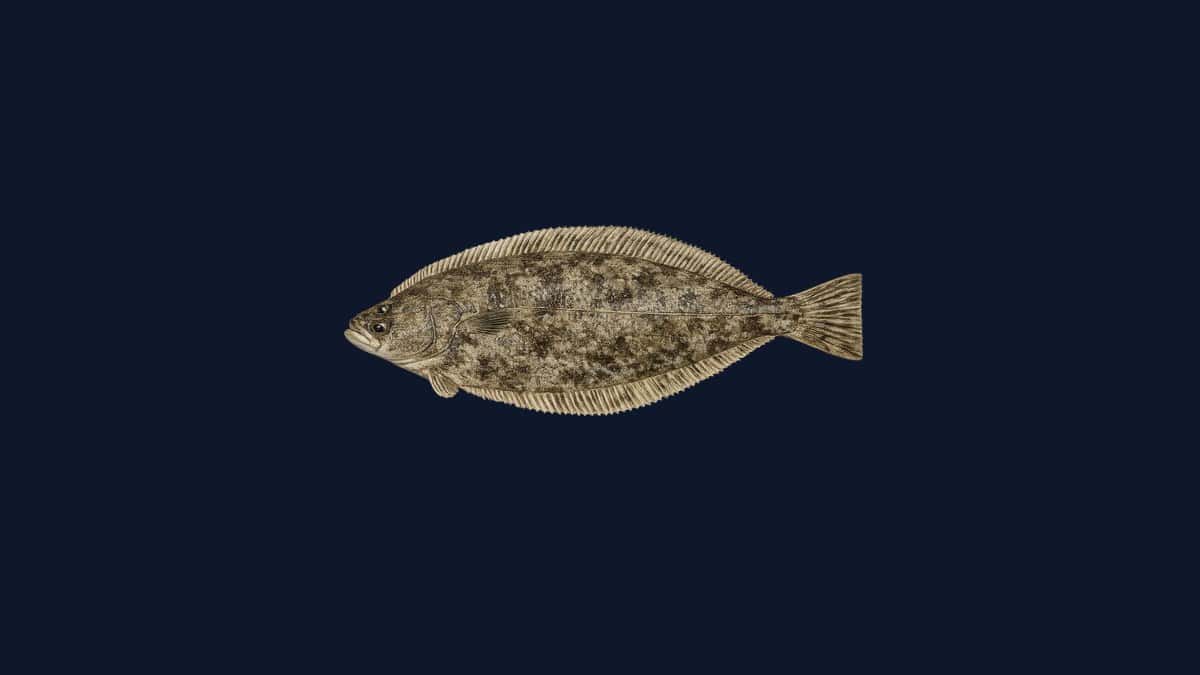
About Rock Sole
Rock sole are a cold-water flatfish at the southern end of their California range. They're most abundant from Monterey north, with their core population in the Pacific Northwest, Alaska, and across to Japan. California anglers encounter them as occasional bycatch on deep groundfish trips — not a target species for most party boats, but a fish worth keeping when it comes over the rail.
Lepidopsetta bilineata is named for the distinctive double-arched lateral line on its eyed side ('bilineata' = two-lined). It's a right-eyed flatfish on sandy, gravel, and mixed bottom — slightly different habitat from the pure-sandy sanddab grounds, leaning toward mixed substrate with some structure nearby.
How to Catch
Same general approach as other small flatfish: dropper loop rigs with fresh squid or shrimp, near bottom at appropriate depth. Rock sole tend toward slightly deeper water than sanddabs (100–300 ft is productive) and mixed substrate rather than pure sand.
In practice, you're catching rock sole on NorCal groundfish trips when you're already targeting rockfish, lingcod, or sanddabs. They come up on the multi-hook dropper loops as a bonus. No specialized approach needed — just be on the right grounds.
Eating Profile
Good table quality — mild, white, fine-grained flesh. Rock sole are firmer than sanddabs and similar to petrale sole in texture and flavor. Pan-fried whole for smaller fish; larger specimens fillet reasonably. Don't overthink the preparation: butter, lemon, and a hot pan cover most cases.
Common Mistakes
- Expecting them in SoCal. Rock sole are predominantly a NorCal species in California. If you're fishing south of Point Conception looking for flatfish, California halibut and sanddabs are more likely targets.
- Mixing up the aggregate limit. Like sand sole, rock sole count toward the 20-fish combined aggregate (§ 28.48), not the unlimited sanddab category. Keep your tally straight if you're keeping multiple small flatfish species.
Month-by-Month
- Jan–Feb: Present but slow. Cold water, limited boat access in NorCal winter.
- Mar–Apr: Bite picks up as groundfish season ramps up. Rock sole show in catch logs.
- May–Sep: Most consistent catch rates on NorCal groundfish trips.
- Oct–Nov: Continues into fall season before weather limits access.
- Dec: Boat access severely limited by NorCal winter weather; fish present on the grounds but effectively inaccessible for most anglers.