About Sand Sole
Sand sole are a quietly common flatfish in California's sandy-bottom groundfish community — present throughout the coast but rarely the fish anyone is specifically hunting. They share habitat with Pacific sanddab in the 30–300 ft depth range, and the two species commonly end up in the same catch on soft-bottom drifts.
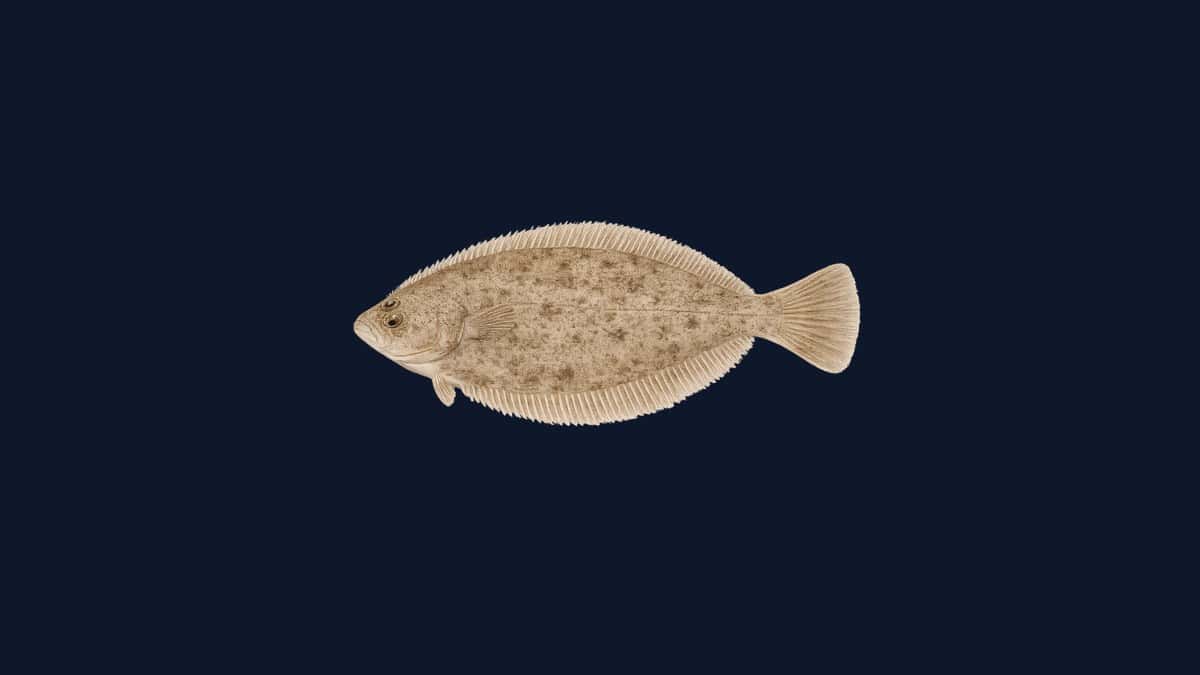
Psettichthys melanostictus is a right-eyed flatfish (eyes on the right side of the body when viewed from above), distinguishing it from left-eyed species like sanddabs and California halibut. The small black spots on the eyed side are the clearest field ID.
Range is Redondo Beach to the Aleutian Islands, with California catch rates improving as you move north — Central Coast and NorCal anglers encounter them more regularly than SoCal anglers.
How to Catch
Sand sole are caught incidentally on sandy-bottom groundfish trips more often than on purpose. They're not deep enough to require specialized gear — a standard medium dropper loop rig at 50–200 ft with fresh squid will find them when they're present.
The distinguishing characteristic is that sand sole are slightly shallower and more nearshore-accessible than petrale sole. You don't need a deep-water setup to encounter them. Nearshore sandy areas at 30–100 ft produce fish in the right season.
Eating Profile
Quality table fish — mild white flesh, fine grain, clean flavor. Same general eating profile as other Pacific flatfish. Pan-fry whole for smaller specimens; fillet larger fish. Fresh is best; flatfish in general decline faster than rockfish once iced.
Common Mistakes
- Confusing the aggregate limit with sanddabs. Sand sole fall under the 20-fish combined aggregate (14 CCR § 28.48), not the unlimited sanddab category. If you're filling a bucket with mixed small flatfish, know which ones you're keeping.
- Fishing too deep. Sand sole are accessible at shallower depths than petrale sole. If you're seeing them on the sonar at 100 ft, a medium-weight rig is all you need.
Month-by-Month
- Jan–Mar: Slow; cool-water species but feeding sluggish in winter.
- Apr–Jun: Bite picks up on Central Coast and NorCal grounds.
- Jul–Sep: Peak bycatch on sandy-bottom groundfish trips.
- Oct: Solid into fall groundfish season.
- Nov–Dec: Drops off with weather and reduced boat access.