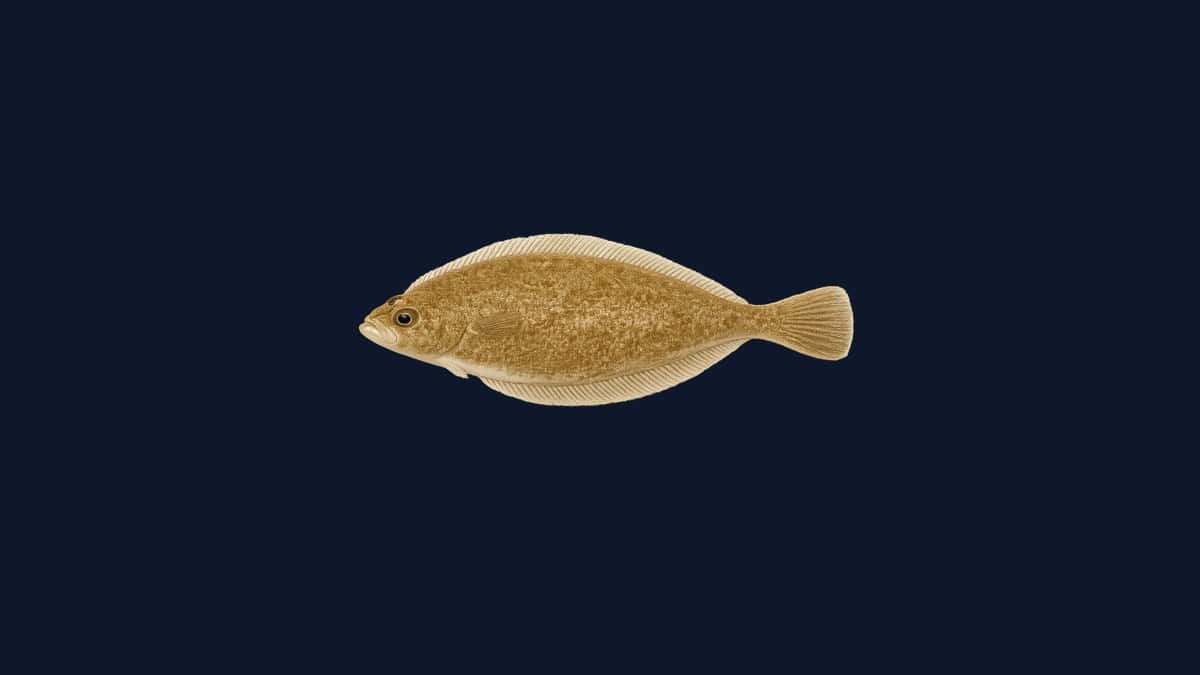
About Pacific Sanddab
Sand dabs don't get the respect they deserve. They're small — rarely over 2 lbs — and they live in the same depth range as species that get more press. But among California anglers who've eaten them fresh, they're the answer to the question "what's the best-eating small flatfish on the coast?"
Citharichthys sordidus is a left-eyed flatfish found on sandy and muddy bottom from the Bering Sea coast of Alaska south to Cabo San Lucas. In California, they're essentially everywhere from 100–600 ft of water on soft substrate. They're among the most abundant flatfish in the state and completely sustainable under current management (no bag limit).
Bay Area restaurants have been serving whole pan-fried sanddabs since the Gold Rush era. That reputation is earned.
How to Catch
The setup is simple and the action, when you're on a school, is relentless. Multi-hook dropper loop with small squid strips is the standard party boat rig — drop to bottom, feel the taps, reel up with 2–4 fish. Repeat.
Individual fish don't fight much, but fishing three or four at a time is a workout. The fun is in finding the concentration and working it efficiently before the drift carries you off the school.
Key variable: soft bottom. Sanddabs are not reef fish. If you're dragging over rocky structure, you'll catch rockfish and lingcod. When the captain calls "sandy bottom," that's the sanddab window.
Smaller hooks (size 2 to 1/0) outperform big halibut hooks. Match the hook to the bait piece — a 4 oz sinker and a whole squid is the wrong presentation for a fish with a 6-inch mouth at maximum.
Eating Profile
Excellent — the word Bay Area chefs and old-time fishermen use. Delicate, sweet, fine-grained white flesh. The whole-fish pan-fried preparation is optimal: dredge in seasoned flour, cook in brown butter, eat around the bones straight from the pan. The skin crisps and the meat is moist. Don't bother filleting small ones — it's more work than it's worth.
IUCN lists Pacific sanddab as Least Concern. No sustainability concerns under recreational take.
Common Mistakes
- Using big hooks and large baits. Sanddabs have small mouths. A 6/0 hook with a full squid gets you missed bites and short-struck fish. Scale down: size 2–1/0 hooks, small bait pieces.
- Chasing rocky structure. Sanddabs want sandy/muddy bottom. If you're on reef, you're in the wrong spot.
- Releasing them. No bag limit and excellent eating — there's no reason to throw them back.
Month-by-Month
- Jan–Mar: Present but slow; cold water, less feeding activity.
- Apr–May: Bite picks up as the season opens for offshore groundfish. Sanddabs start showing in better numbers.
- Jun–Aug: Peak action. Schools dense and predictable. Best months for dedicated sanddab fishing.
- Sep–Oct: Solid action continues through fall groundfish season.
- Nov–Dec: Catch rates drop as weather limits boat access. Fish remain at depth.