Why Southern California Is the Bluefin Capital of the West Coast
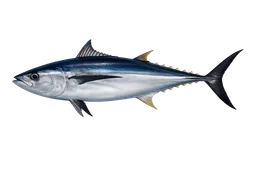
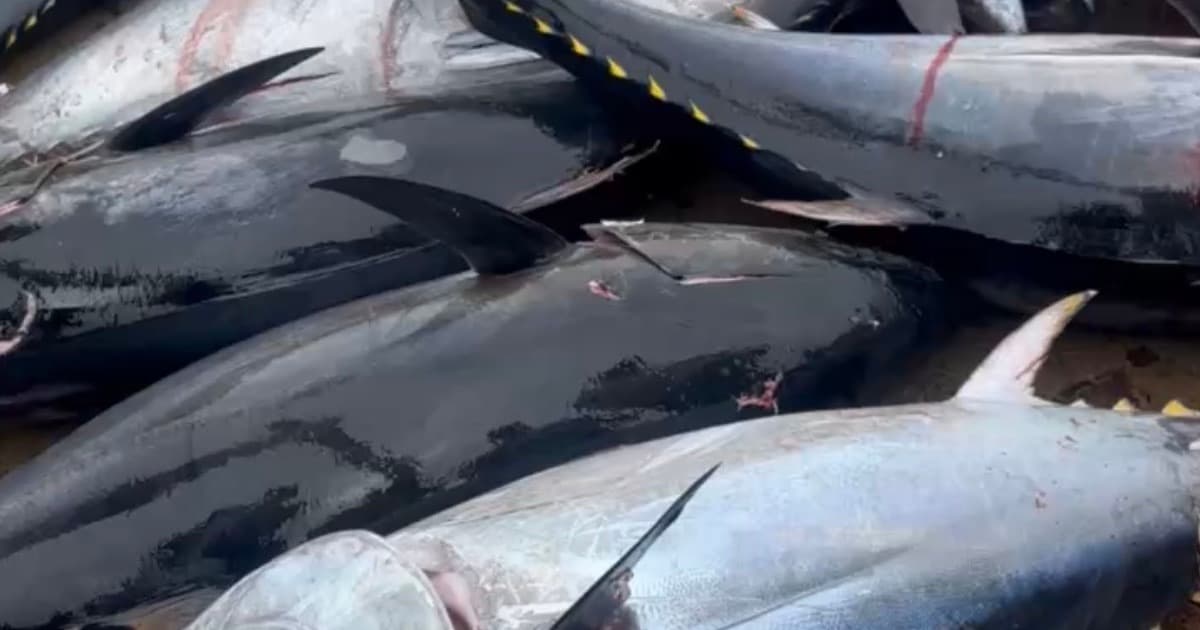
Pacific bluefin tuna have made a historic comeback off the Southern California coast. After decades of declining stocks, the Inter-American Tropical Tuna Commission raised commercial catch limits by nearly 80% for the 2025–2026 season — a direct reflection of the species' resurgence. For recreational anglers, this means more fish in the water, longer seasons, and bigger opportunities than at any point in the last 30 years.
The SoCal bite is unique because of geography. Warm currents pushing north from Baja collide with cooler California Current water, creating temperature breaks that concentrate baitfish — and the bluefin that follow them. Key offshore structure like the 43 Fathom Spot, Tanner Bank, Cortez Bank, and the waters around Catalina and San Clemente Islands all hold fish at various points in the season.
When to Go: The Bluefin Season
The Southern California bluefin season typically runs March through November, with peak action between June and August. That said, the window has been expanding in recent years. Warmer-than-average water temperatures have pushed the bite earlier in spring and extended it well into December in some years.
March–May (Early Season): Bluefin begin showing up on the offshore banks as water temperatures climb into the low 60s. Fish tend to be scattered and the bite can be inconsistent, but this is when some of the biggest fish of the year are caught — often 100+ pounds. Boats running 1.5- to 3-day trips out of San Diego are the first to find them.
June–August (Peak Season): This is prime time. Bluefin push closer to shore as bait schools thicken. Half-day and full-day boats start connecting on smaller-grade fish (20–60 lbs), while overnight and multi-day trips target the bigger models on the outer banks. Water temps in the mid-to-upper 60s are ideal.
September–November (Late Season): The bite shifts as fish move with cooling water. Some years produce excellent late-season fishing, particularly around the Coronado Islands and the 9-Mile Bank. Fish tend to be well-fed and hard-fighting after a summer of gorging on squid and sardines.
December–February (Off Season / Bonus Bite): In warm-water years, bluefin linger off SoCal well past Thanksgiving. This is not something you can count on, but it's happened frequently enough in recent years that the long-range fleet keeps an eye out.
Tackle and Gear
Bluefin tuna are one of the hardest-fighting fish in the ocean pound-for-pound, and they have sharp eyesight. Your gear needs to be strong enough to stop a 100-pound fish on a run, but your presentation needs to be finesse enough to fool them. Experienced SoCal bluefin anglers — the guys you'll see posting catches on BDOutdoors/Bloodydecks — typically bring three setups covering light, medium, and heavy scenarios.
Light Setup — School Bluefin (20–60 lbs)
This is your standard open-party boat setup for half-day and full-day trips chasing school-sized bluefin. The fluorocarbon leader is non-negotiable — bluefin have exceptional eyesight and can see mono a mile away.
- Rod: 7-foot, rated 30–80 lb — Calstar Grafighter 700H or equivalent
- Reel: 25- or 30-size two-speed lever drag — Shimano Tiagra 30A or Penn Fathom II 30
- Main line: 65 lb braided (PowerPro Super Slick V2)
- Top shot: 80–100 feet of 30–40 lb monofilament
- Leader: 30–40 lb Seaguar Blue Label fluorocarbon, 6–8 feet
- Hook: Owner Ringed Mutu Circle, 2/0–4/0
Medium Setup — Quality Bluefin (60–100 lbs)
The workhorse setup for overnight trips. BDOutdoors forums consistently recommend 80 lb braid with a long fluorocarbon leader as the go-to for SoCal overnighters.
- Rod: 7-foot, rated 40–80 lb
- Reel: 30- to 40-size two-speed — Shimano Trinidad 40N or Avet HXJ 2-Speed
- Main line: 80 lb braided (Jerry Brown Hollow Core)
- Top shot: 100 feet of 60 lb monofilament
- Leader: 50–60 lb Seaguar Blue Label fluorocarbon, 8–12 feet
- Hook: Owner Ringed Mutu Circle, 4/0–5/0
Heavy Setup — Trophy Bluefin (100–200+ lbs)
This is the multi-day trip setup for targeting bigger-grade fish on Tanner Bank and Cortez Bank. You need real stopping power — a 150-pound bluefin's first run can strip 200 yards of line in seconds.
- Rod: 7-foot, rated 80–130 lb
- Reel: 50-wide two-speed — Shimano Talica 50 II, Okuma Makaira 50W, or Avet TRX 50W
- Main line: 100 lb braided
- Top shot: 100 feet of 80–100 lb monofilament
- Leader: 80–100 lb fluorocarbon, 8–15 feet
- Hook: Owner Super Mutu Circle, 5/0–7/0
Topwater / Popper Setup
When bluefin are boiling on the surface, a heavy spinning setup lets you cast poppers and surface iron into the frenzy. Per BDOutdoors contributors, the ideal setup is a short, stout rod (6'6"–8') rated 40–80 lb with a slower, medium taper and lots of pulling power.
- Rod: 7-foot heavy spinning, rated 40–80 lb
- Reel: Heavy spinning reel, 8000–10000 size — Penn Slammer IV 8500
- Line: 65–80 lb braided
- Leader: 60–80 lb fluorocarbon, 4–6 feet
- Lures: Shimano Butterfly Flat Fall, Tady 45 surface iron, clear poppers
Disclosure: Product links use our Amazon Associates affiliate tag. Fish City may earn a small commission on purchases — at no extra cost to you.
Techniques
Fly-Lining Live Bait
This is the bread-and-butter technique for SoCal bluefin. The boat anchors up on a school or drifts on a meter mark, the crew tosses live sardines or anchovies as chum, and you fly-line a hooked bait into the frenzy with no weight and no bobber — just a hook, leader, and live sardine swimming freely.
The key is bait quality. A super lively bait is everything. Pick the greenest, most energetic sardine in the tank, pin it through the nose or collar, and let it swim. Keep your reel in free spool with light thumb pressure. When a bluefin picks up the bait, give it a three-count before engaging the drag. Tuna hook themselves — don't swing on them.
Flat Fall Jigging
When bluefin are deep or won't commit to surface baits, flat fall jigs (like the Shimano Butterfly or Savage Gear Cutbait Herring) are deadly. Drop the jig to the depth the fish are marking on sonar, then work it with a slow yo-yo motion — lift, drop, lift, drop. The fluttering fall action mimics a wounded baitfish and triggers reaction strikes.
Flat falls work best in 100–300 feet of water. Use 80–100 lb braid straight to a 60 lb fluorocarbon leader. Let the jig do the work — aggressive jigging actually spooks bluefin more often than it attracts them.
Kite Fishing
Kite fishing is a specialty technique that's become more popular on SoCal long-range boats. A kite suspends your bait at the surface, keeping it alive and splashing in a way that drives bluefin crazy. This is particularly effective when the fish are finicky and refuse subsurface presentations.
The setup uses 65 lb braid as the kite line with a short fluorocarbon leader to the bait. It requires a dedicated kite rod and release clip system. Most anglers don't bring their own kite setups — the boat crew will have them available on overnight and multi-day trips.
Surface Iron and Poppers
When bluefin are blowing up on the surface — boiling on bait schools where you can see them — casting surface iron (like a Tady 45 or Salas 7X) or popping plugs into the melee is the most exciting way to hook up. This is fast, visual fishing that doesn't happen every day, but when it does, it's unforgettable.
Where to Fish: Key Spots
All of these spots are accessible from San Diego, Dana Point, or Long Beach depending on distance:
- 9-Mile Bank: Close to San Diego, fishable on half-day and full-day trips. Holds bluefin from June through October in good years.
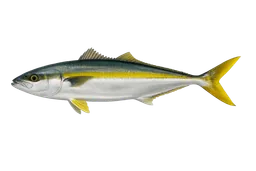
- Coronado Islands: Mexican waters just south of San Diego. Full-day boats run here regularly. Excellent for both bluefin and yellowtail.
- 43 Fathom Spot: About 60 miles offshore from Dana Point. Overnight trip territory. Historically one of the most productive bluefin grounds off SoCal.
- Tanner Bank: 100+ miles offshore. Multi-day trip destination. Known for big fish — this is where the 100+ pounders live.
- Cortez Bank: 100 miles west of San Diego. Remote, weather-dependent, but legendary for trophy bluefin and yellowtail.
- San Clemente Island / Catalina Island: The leeward sides of both islands hold bluefin when warm water pushes in. Accessible on full-day to 1.5-day trips.
Choosing a Charter
Most SoCal bluefin fishing happens out of the major sportfishing landings. Here's how trip types break down:
Half-Day (4–6 hours): Best for beginners and families. You'll fish local kelp beds and nearshore structure. Bluefin are possible on half-day trips during peak season when fish push close to shore, but it's not the primary target.
Full-Day (10–12 hours): This is where bluefin fishing starts in earnest. Full-day boats can reach the Coronado Islands, 9-Mile Bank, and other productive spots. Expect 5:30 AM departures and 6–7 PM returns.
Overnight (18–24 hours): The sweet spot for serious bluefin anglers. Overnighters reach the outer banks and give you dawn and dusk bites — the two most productive windows. You sleep on the boat between bites.
1.5-Day to 3-Day: For dedicated offshore fishing at Tanner Bank, Cortez Bank, and other distant grounds. These trips produce the biggest fish and the highest fish counts, but they're a commitment of time and money.
Long-Range (5–21 days): These boats head deep into Mexican waters targeting trophy bluefin, yellowfin, and wahoo. This is bucket-list fishing.
San Diego Landings
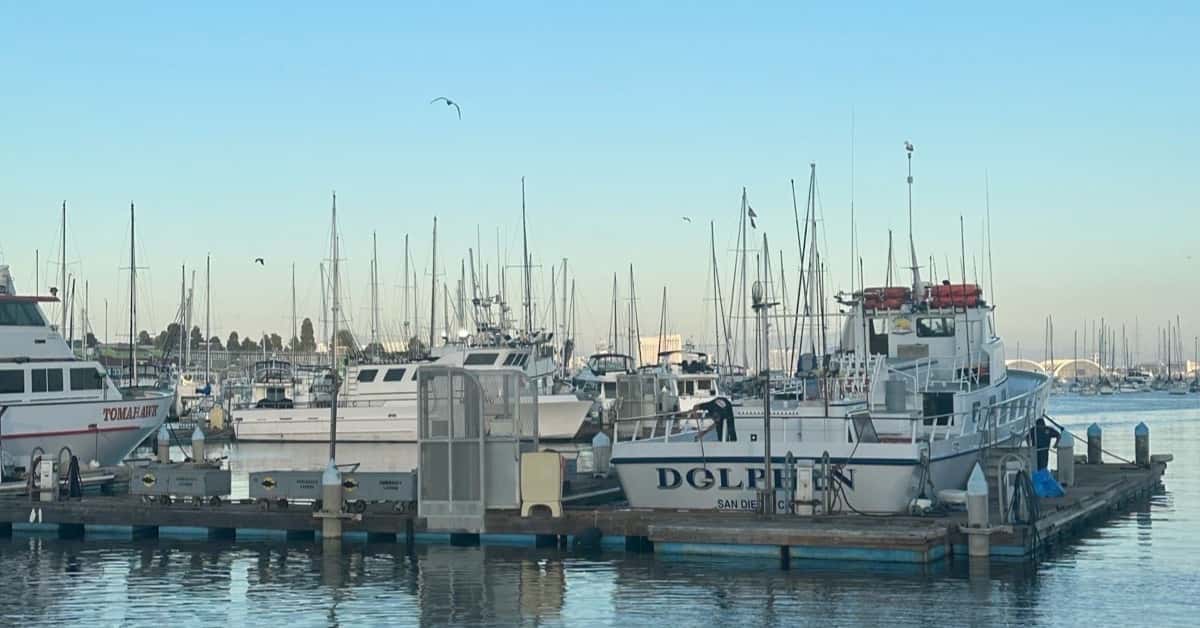
The four major San Diego landings — Seaforth Sportfishing, H&M Landing, Point Loma Sportfishing, and Fisherman's Landing — collectively run over 70 boats. During bluefin season, check the daily fish counts to see which boats are connecting and at what distance. Fish counts tell you everything about where the bite is and what size fish are being caught.
Regulations
Current recreational regulations for Pacific bluefin tuna in California:
- Bag limit: 2 bluefin tuna per angler per day
- Size limit: No minimum size for recreational anglers
- License: Valid California sport fishing license required, plus a Mexican fishing license if fishing south of the border (Coronado Islands trips require this)
Regulations can change — always check the latest CDFW and NOAA advisories before your trip.
Tips for First-Timers
- Listen to the crew. On open-party boats, the deckhands will tell you what depth to fish, what bait to use, and when to drop. Follow their lead — they do this every day.
- Bring Dramamine. Offshore trips mean open ocean. Even experienced boaters get seasick on rough days. Take motion sickness medication the night before and the morning of your trip.
- Don't horse the fish. Bluefin are powerful and stubborn. Pulling as hard as you can just tires you out. Use the boat's movement and the rod's leverage. Short, steady pumps and controlled cranking will land more fish than a tug-of-war.
- Check fish counts before booking. Landing websites and Fish City publish daily fish counts from every boat. Look at what's being caught, from where, and on what trip type before you commit.
- Bring your own fluorocarbon leader material. The boat will have bait, hooks, and basic tackle, but having your own spool of 30–40 lb fluorocarbon lets you re-tie quickly when the bite is hot.
Track the Bite with Fish City
Fish City delivers real-time fish counts, conditions data, and trip reports from every major SoCal landing — updated daily. See what's biting right now, compare boats, and find your next trip.