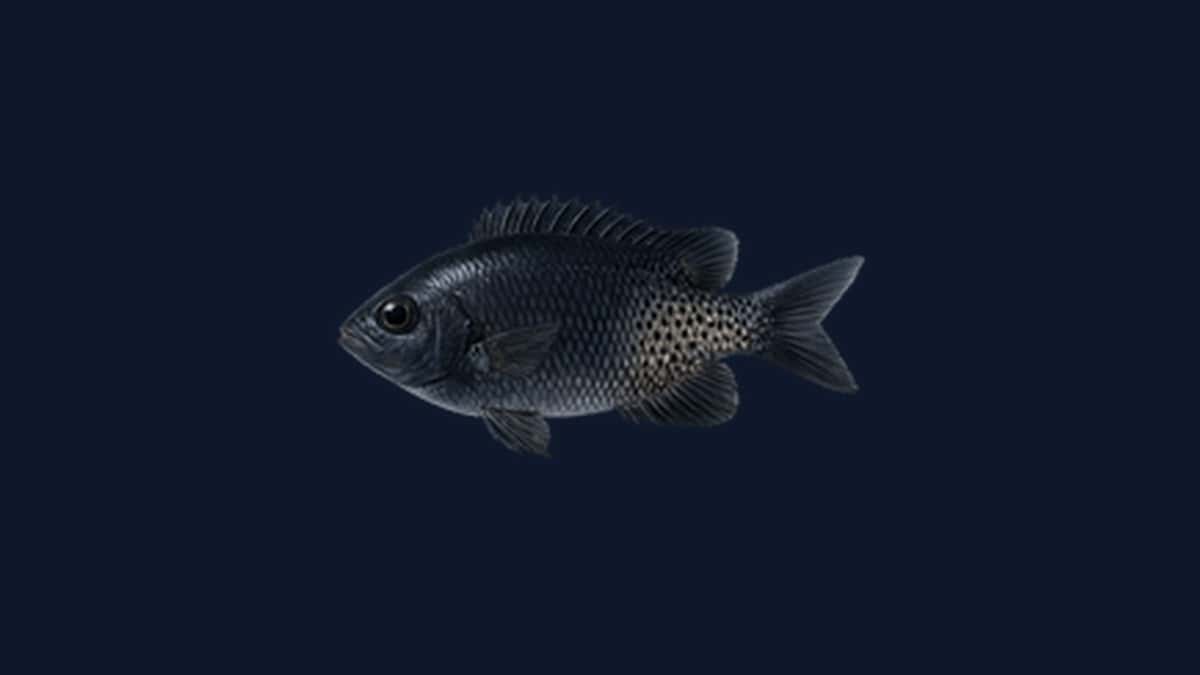
About Blacksmith Perch
The fish called "blacksmith perch" on Fish City is Embiotoca jacksoni — the black perch, also known as Jackson's surfperch. It's a member of the surfperch family (Embiotocidae), a group of live-bearing fish endemic to the Pacific coast. Not a damselfish, not a rockfish. A surfperch.
Black perch are stocky, dusky-sided fish with subtle orange scale edging. Most run 6–12 inches. They hold near the bottom in kelp forests, rocky reef edges, and coastal bays rather than schooling mid-water. FishBase lists them as "rarely in surf" — their habitat is the rocks, pilings, and kelp holdfasts where food accumulates and predators have trouble maneuvering.
Range: Fort Bragg, California, south to central Baja California, including Guadalupe Island. Most consistent in SoCal kelp beds from San Diego to Morro Bay.
How to Catch
The standard surfperch approach works: small bait, light tackle, near structure.
Live shrimp or ghost shrimp on a size 8–10 hook is the most consistent option. Present it near rocky bottom or kelp base and let it sit. Black perch are methodical foragers — they'll find a bait that's properly placed, but they won't chase something across open water.
From shore or a jetty, a mussel chunk on size 8 hook with light split shot is a simple and effective alternative. Drop it along a jetty wall or into a rocky cove. If the fish are there, you'll know within a few minutes.
Tiny soft plastics — 1- to 2-inch grubs on 1/16-oz jig heads — produce on private boats and in calmer bay environments. A slow drift along a kelp edge with a small plastic grub will pick up black perch along with other surfperch in the area.
Light is the operative word. 6–8 lb fluorocarbon leader, size 8–10 hook, 1/16–1/8 oz weight. Go heavier and you'll feel the fish pick up and drop the bait.
Eating Profile
Mild, white flesh. The fish are small, so meals require numbers — plan on 8–10 fish minimum for two people. Pan-fried with lemon and butter is the classic. Not a destination eating fish, but a reasonable keep when you're catching them in quantity.
Common Mistakes
- Too-heavy tackle. This is a 6–14 inch fish. Ultralight spinning gear is not optional — it's how you get bites.
- Ignoring structure. Black perch are not open-water fish. Every bite comes from near rocks, pilings, or kelp. If you're not near structure, you're not in the right spot.
- Confusing with the damselfish. The Chromis punctipinnis blacksmith damselfish is a different animal — smaller, iridescent with blue spots, mid-water schooler. The Embiotoca jacksoni black perch is a bottom-hugging perch that looks and behaves nothing like a damselfish.
- Forgetting the surfperch aggregate (§ 28.59). Surfperch (Embiotocidae) share a 20-fish daily aggregate bag in ocean waters (5 aggregate in SF/San Pablo Bays), with no more than 10 of any one species. Shiner perch are exempt. If you've already kept 15 striped seaperch and rubberlip combined, you have 5 remaining slots in the aggregate — which could go to black perch. Note: opaleye and halfmoon are NOT in this aggregate — they fall under the general finfish rule (§ 27.60).
Month-by-Month
- Jan–Mar: Present year-round. Shore access open. Fish hold to sheltered rocky areas in cold water.
- Apr–May: Activity increases as water warms. Good jetty and kelp-edge bite.
- Jun–Sep: Peak summer action. Shallow structure holds fish. Shore-accessible and productive.
- Oct: Bite continues strong through early fall.
- Nov–Dec: Slower but consistent. Rocky structure and kelp beds remain the spots.